The curious case of the note in the sewing box

February 21, 2010 Hidden Stories 2 Comments

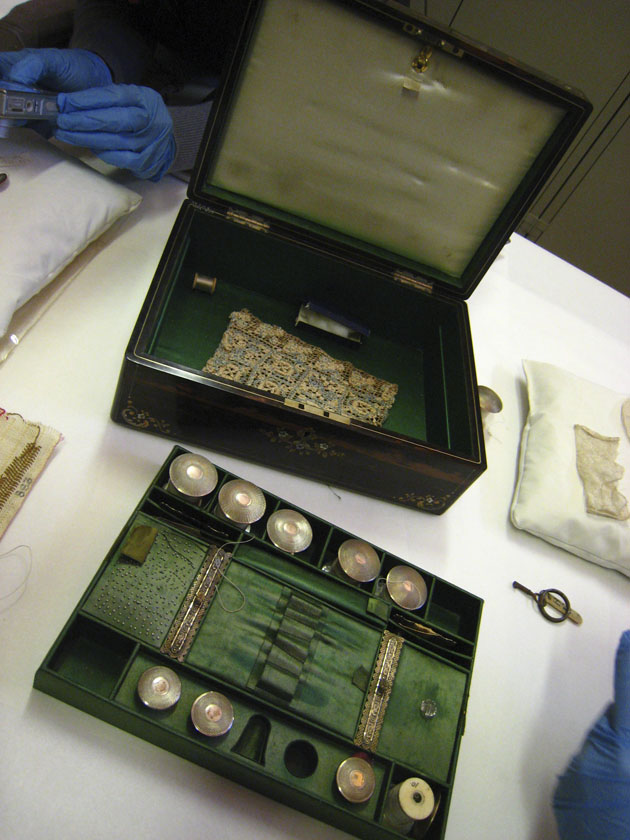
As ever with this project, each visit to the stores reveals a new conundrum!  This time it is to do with the sewing box.

sewing box

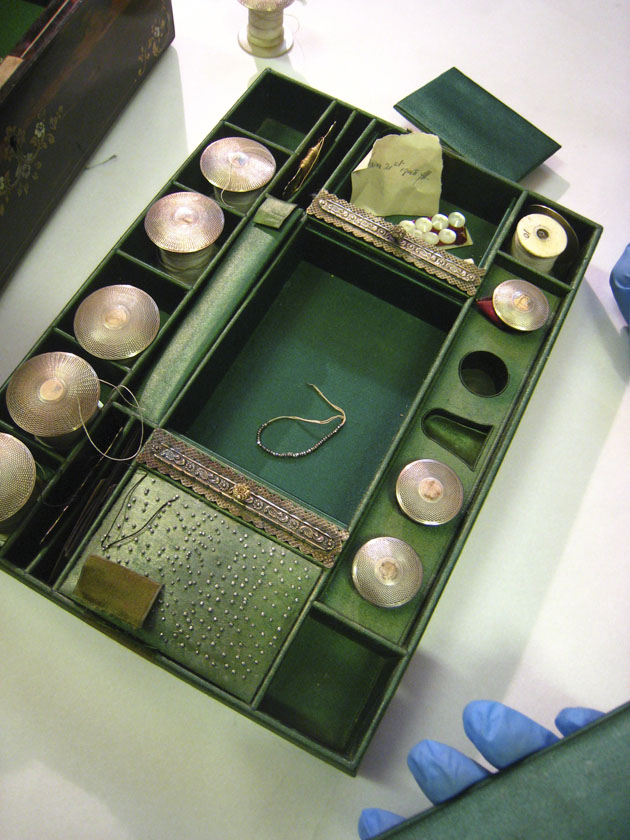
I have looked at this box before and in some detail but never noticed the small slip of paper concealed in one of the trays.

tray with note

Alex picked it out on this occasion, unfurled it and read

January 21st, 1948

the curious note

Nothing unusual at first glance but increasingly curious when you remember that the box was accessioned in 1922 when it came into the collection.  The note couldn’t have been there prior to this date.  So presumably the note was put there once the box was in the collection .  But who put it there?  A curator (is this normal curatorial practice)?  There are some initials written after the date, but it’s impossible to make them out.  And even more curious, why?  What prompted the placing of a note in the box on this particular day?  And why has it been left there all these years?  Is this another example of curatorial angst, in that once placed in the box the note cannot now be removed because of some unknown, potential narrative?  Oh, somebody has to make up a story for the note – it’s a gift!!

To start you off, January 21st, 1948 was a Wednesday, Dinah Shore’s “Buttons and Bows” might have been playing on the radio and George Foreman’s mother was probably in labour!        Sharon  .

Object Memories Showcase

January 31, 2010 Artist Responses 4 Comments
Hazel making last minute adjustments

Hazel making last minute adjustments

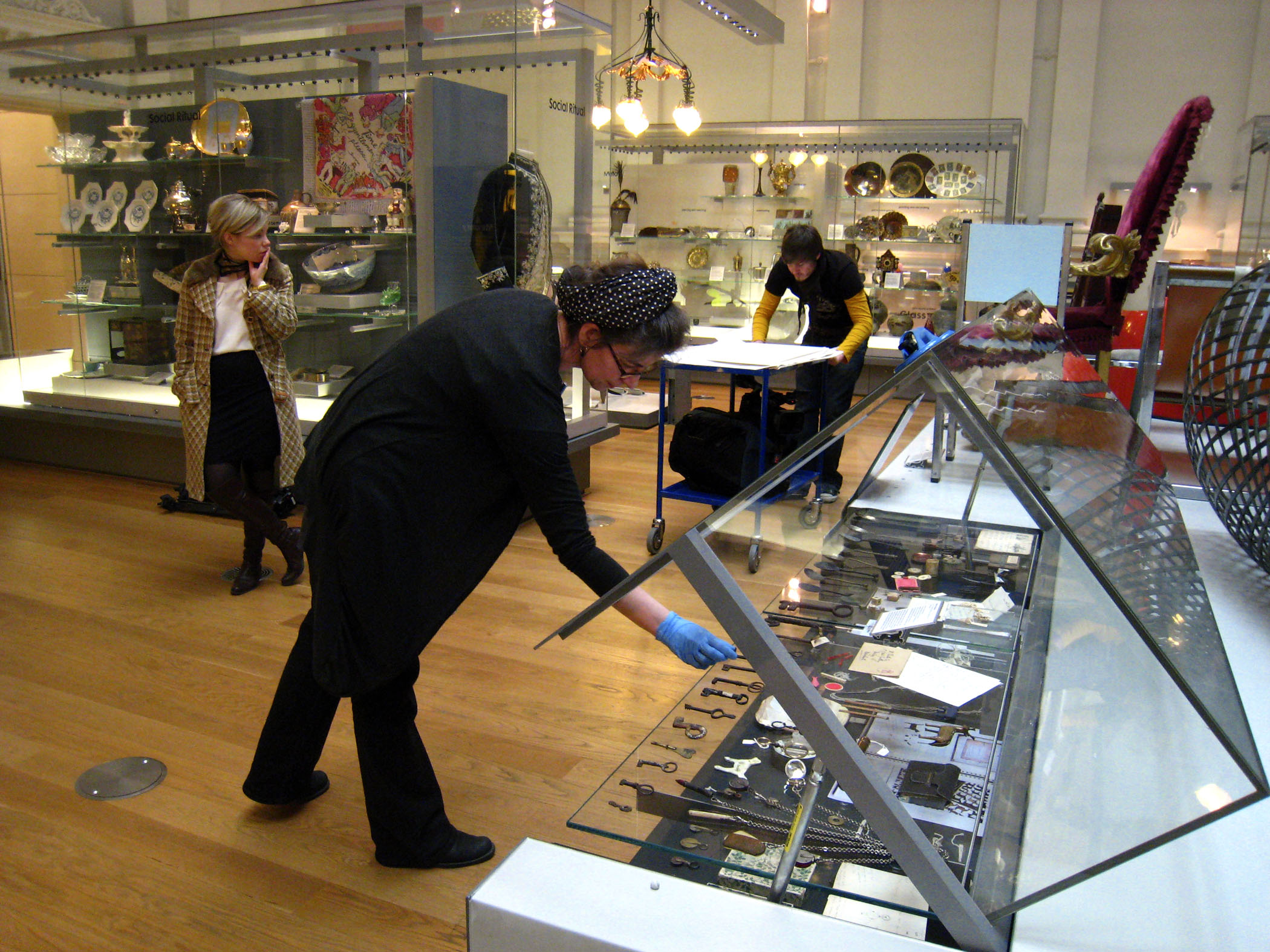
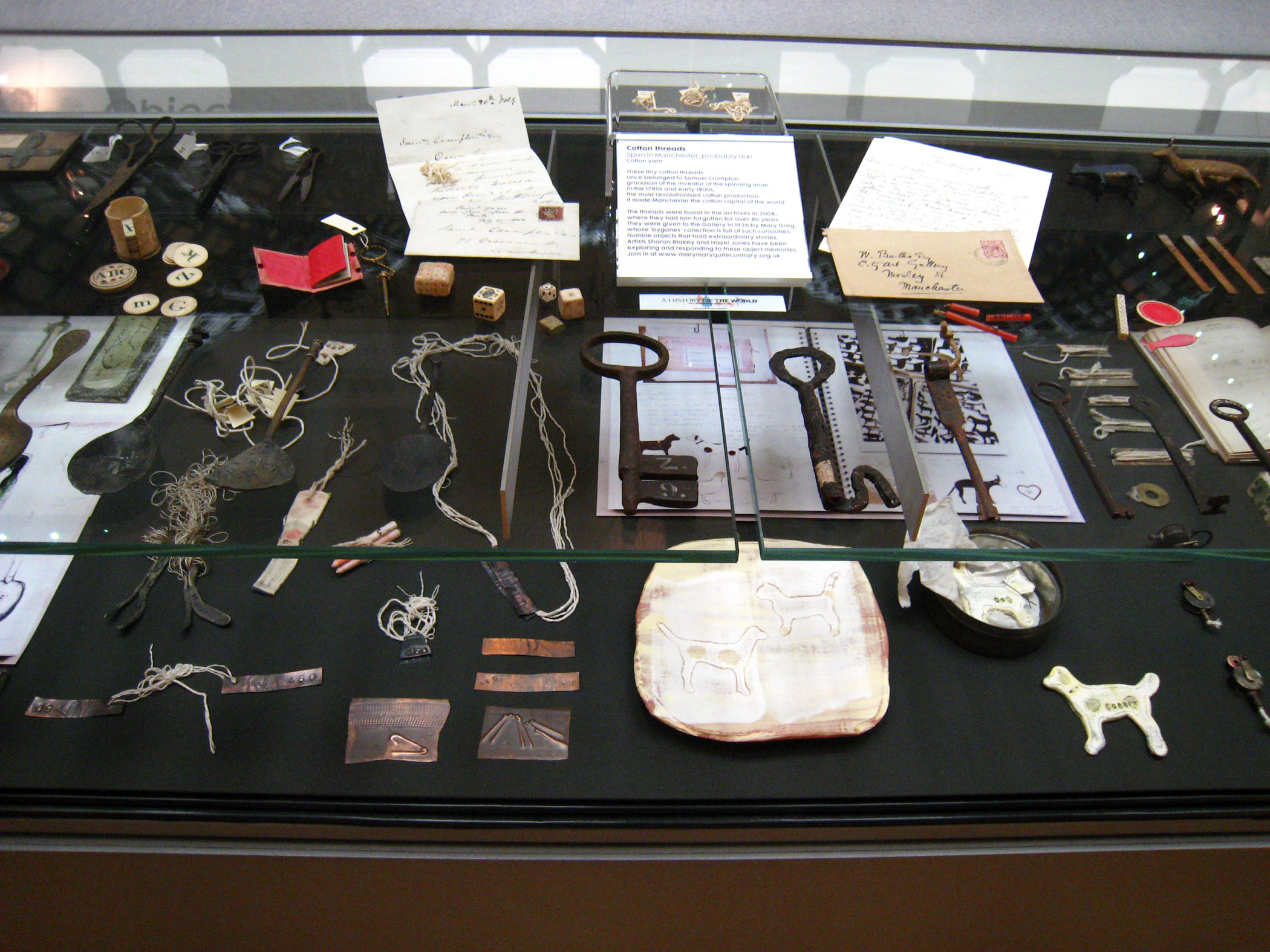
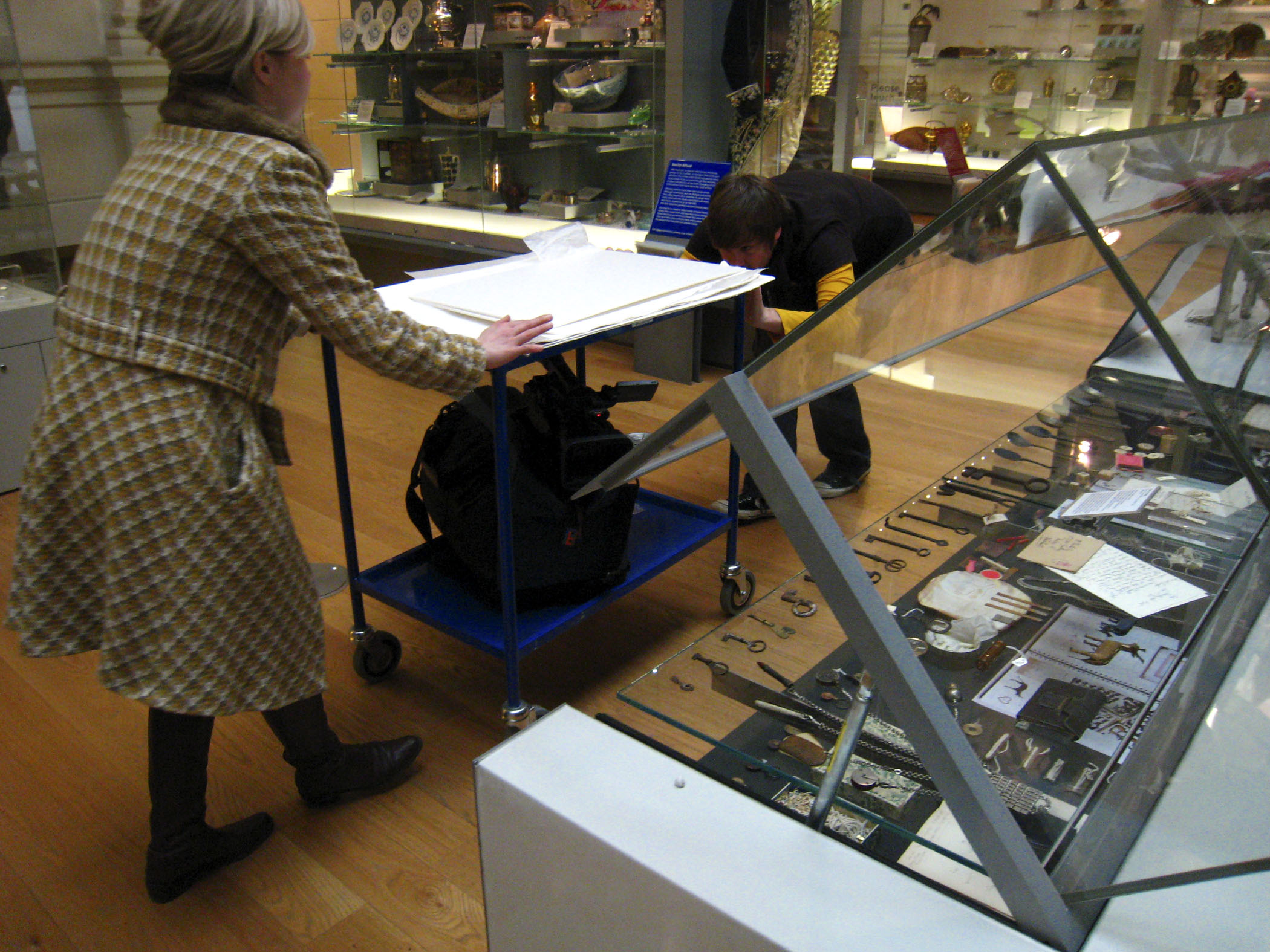
As Hazel says, now showing for the first time ever, the first/finest threads made on Samuel Crompton’s  Spinning Mule. Humble objects of great significance!  Also in the showcase is a small selection of some of the other objects from the Bygones collection, including, Caroline’s Dance card, quizzing glasses, Noah’s Ark animals, the lead cross, scissors, dice and a fabulous row of spoons and keys (compare and contrast with the row of silver spoons in the long cabinet opposite – I know which I like the best!)  You’ve seen them on the blog now see them for real in the Object Memories showcase in the Craft and Design Gallery, 2nd floor, Manchester Art Gallery.

Pride of place for the threads

Pride of place for the threads

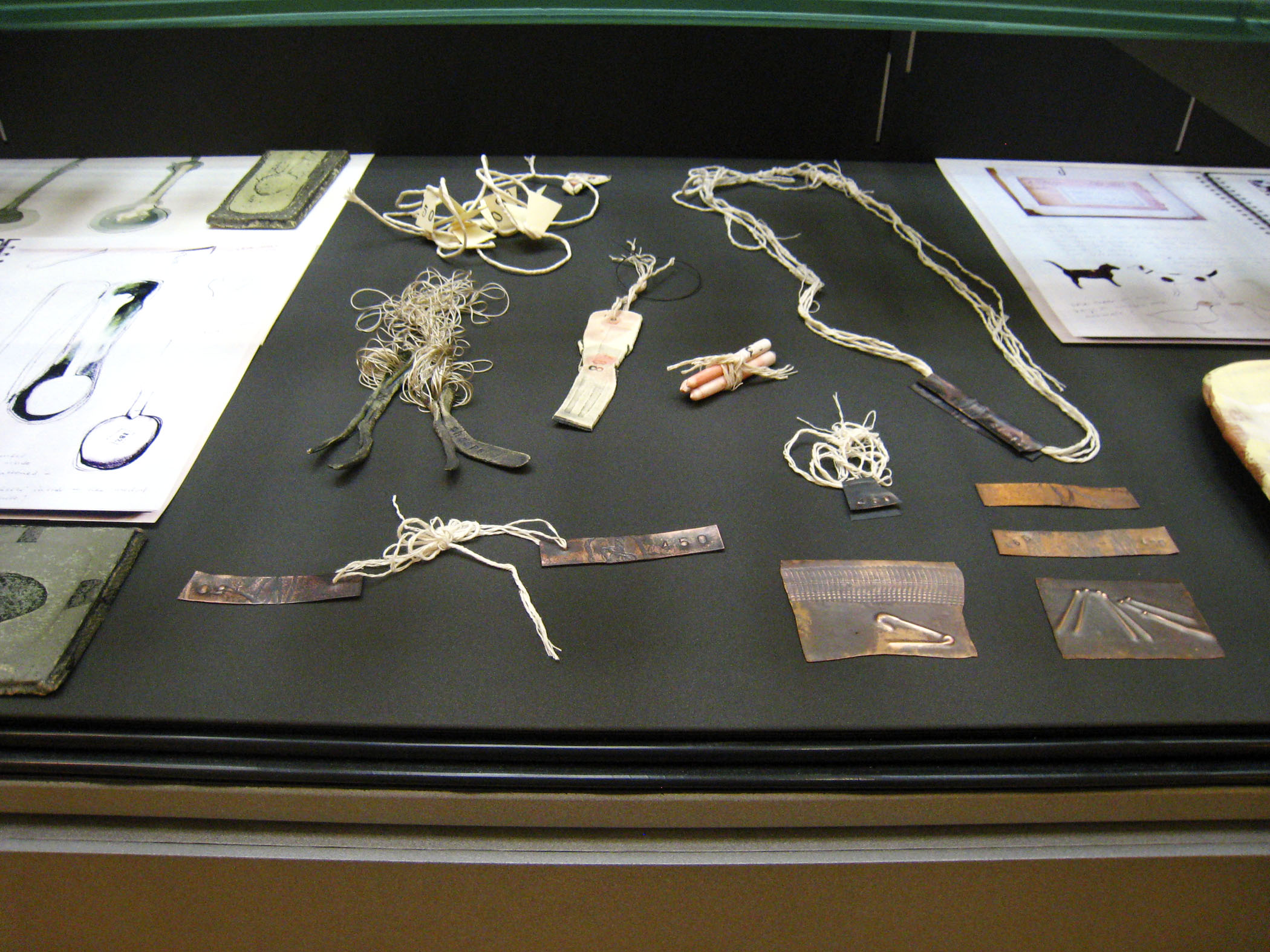
On the shelf below you can also see some work in progress made in response to the collection from Hazel and myself.  I have also included a recent line of enquiry (a collaboration with jeweller Jenny Walker) based on the threads.

First Threads - collaboration with Jenny Walker

First Threads - collaboration with Jenny Walker

Thanks to Kim May and Jon Tipler, who were there recording the proceedings for a series of short films they are making for the project (apologies for being such a frozen wuss in front of camera!).

Kim and Jon with hi tech equipment!

Kim and Jon with hi tech equipment!

We are looking for other artists, makers, designers, writers etc to respond to the collection, so if you, or anyone you know, might be interested then please leave a message on the site.  Also watch this space for student responses to the collection as I launch a six week project exploring the Mary Greg Collection of Handicrafts of Bygone Times!  Sharon

Value Measures

January 9, 2010 Artist Responses 2 Comments

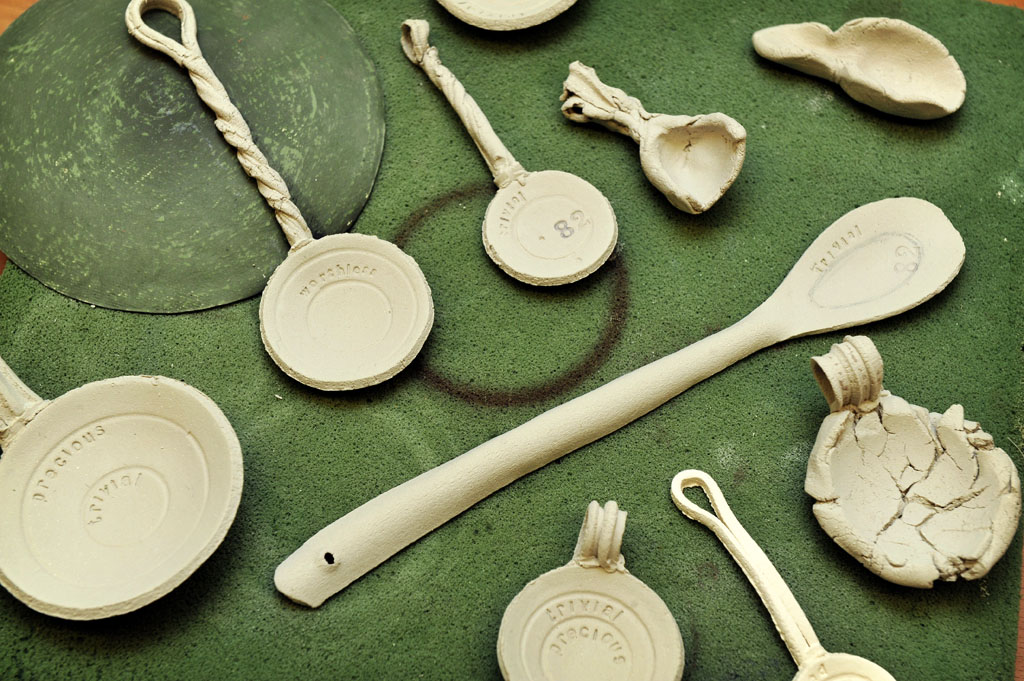
Thought I’d update you with progress on the value measures I have been making.  I’ve modeled a few variations now, which are drying ready for the application of colour.  You might recognise some elements from the Bygone spoon collection – twisted stems, worn edges, broken….  I’ve tried some different forms and sizes, exploring scale and proportion, and I’ve played with a couple of type faces at varying font sizes.

Assorted Value Measures

Assorted Value Measures

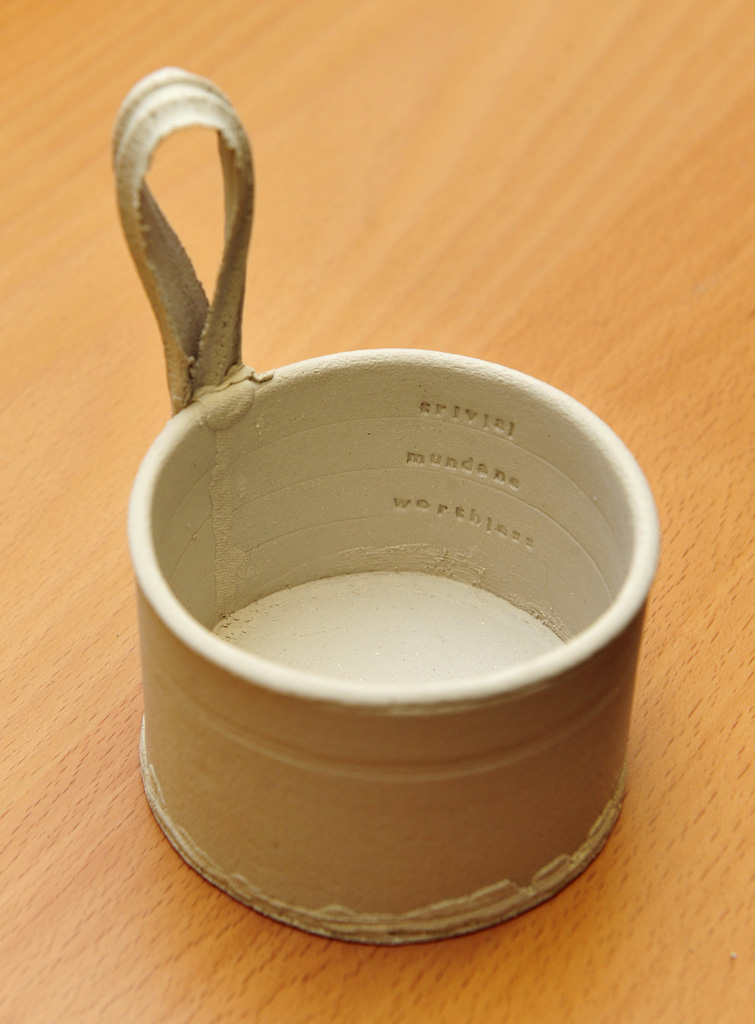
I think the idea is worth pursuing though there are a number of refinements to be made.  I’m not happy with the shape of the bowl, generally too round (thought it works with some handle styles), I’m going to explore a more ovoid bowl form or perhaps pear shape like the apostle spoons.  Also the measuring line.  It’s ok indented (made by pressing an edge into the clay), but I want to see what it’s like raised.  I know this seems like, and is, a small detail but I am thinking ahead to the glazing of the spoon.  I want to pour glaze up to the measuring line (the glaze will subtlely change the intensity of the underlying colour and draw the eye to the measure mark) and I am thinking that a raised line will provide a better end point for the glaze.  Practically, it should be easier to wipe any excess glaze from a raised line.  An indented mark would probably fill with glaze, building up excess which could potentially run during subsequent firing.  In anticipating and responding to these potential problems I am hoping to avoid later time consuming and costly disappointments.  I’ve also been making some measuring cups based on some old metal scoops I have.  Not sure about the handles yet though!

Value Measuring Cup

Value Measuring Cup

Detail

Detail

I suppose this is how an idea develops, considering and refining, reacting to problems and improving.  Of course few people would probably notice these things, other makers perhaps (once developed, a keen eye rarely misses). But I just need to feel that whatever I put out there is as good as I can make it.  As a sole maker you must be your own quality control no-one else has the same vested interest in your work!  Sharon

Masterclass – feedback

January 7, 2010 Workshops Comments Off on Masterclass – feedback
Biddulph High

Biddulph High

Highfields

Highfields

Thanks to all participants for the very positive feedback about the masterclasses.  Here are some of your comments!

The best thing about today…. clay making… the way the theme progressed and developed through the day…clay….clay making….working with clay… using clay… making things with clay….clay by far….drawing the object in wire and lots of different ways…things being made out of clay!

Something I would like to change…less talking… the beginning was too long…nothing…more time to explore the gallery….longer in the galleries….more lunch time….nothing….a chance to pause and look at each others work in the afternoon session and use this to add fresh ideas…nothing it was great!

I am surprised that…. I made so much…objects so old and tarnished were so valued….ordinary objects can be interesting….what drawing with the wrong hand turns out to look like….I could draw well with my eyes closed…I managed to successfully mould a piece of clay…clay was as easy as it was…today was as enjoyable as it was, I thought it wasn’t going to be good…I can draw better when I do it quickly….my lack of drawing skill didn’t matter…I can draw well with left hand… I wasn’t bored…we did not have to draw with a pencil!

When I leave I am going to….practise drawing with my eyes closed…practise what I have learnt today…go on the website…try to do more of the activities…tell my family about my clay work…show my grandad my art…remember a good drawing is not always the most controlled…spend less time concentrating when drawing as I have realised I can draw interesting things in less time…look at everyday objects in a different way…pursue clay making…look at ordinary objects in a new way….take the message back to school that it is important to build on what the students have done here today!

Any other comments….Excellent day, thanks!…good day hope we do it again….organise another….the chocolate torte from the cafe was really good (I agree!)…..better than expected….Excellent day, thank you to everyone who led and supported the day.

Thanks to all masterclass participants from the team.  You made it a rewarding and stimulating couple of days.  Hope our paths cross again!  Keep scrolling for further posts. Sharon

Masterclass – student helpers

January 5, 2010 Student Projects Comments Off on Masterclass – student helpers

A very big thank you to Bethan, Rochine and Emily, students from the Three Dimensional Design course at Manchester Metropolitan University, for their invaluable help in running the masterclasses.  I really couldn’t have done it without them!  Every time something needed to be done, they did it before being asked.  If I needed a tool it was there before I even knew I needed it.  And they cleared up before I even got round to it!  All that with good humour and a lovely manner!  If anyone reading this is looking for a great assistant, or even someone to run a workshop (they have a good bit of experience now) they come highly recommended.  Thanks again x

Sharon

Bethan helping out

Bethan helping out

Rochine drawing with stick and ink

Rochine drawing with stick and ink

Emily lo

Emily helping with wire drawing


Masterclass – Highfields

January 4, 2010 Workshops Comments Off on Masterclass – Highfields

Thanks to everyone from Highfields for an action packed day.  Although smaller in number than the first group you managed to make almost twice as much and I hope your laden boxes survived the trip back to School!

Special thanks go to Stephen and Leanne (hope I got that right!) who tried everything that was thrown at them with an open mind and positive attitude.  And of course the accompanying staff who threw themselves into the day with gusto and great creativity!  It was a pleasure to meet and work with you all.  Here are your best bits.

drawing with stick and ink

drawing with stick and ink

Stick and Ink 2 lo

Stick and Ink lo

markmaking in clay

markmaking in clay

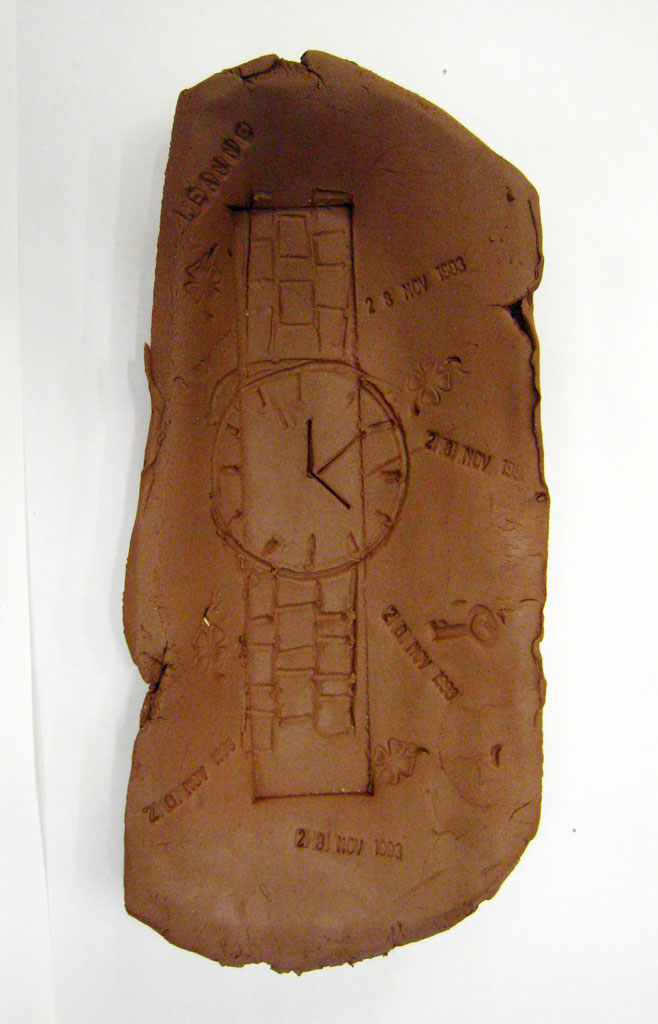
clay work tribute to watch

clay work tribute to watch

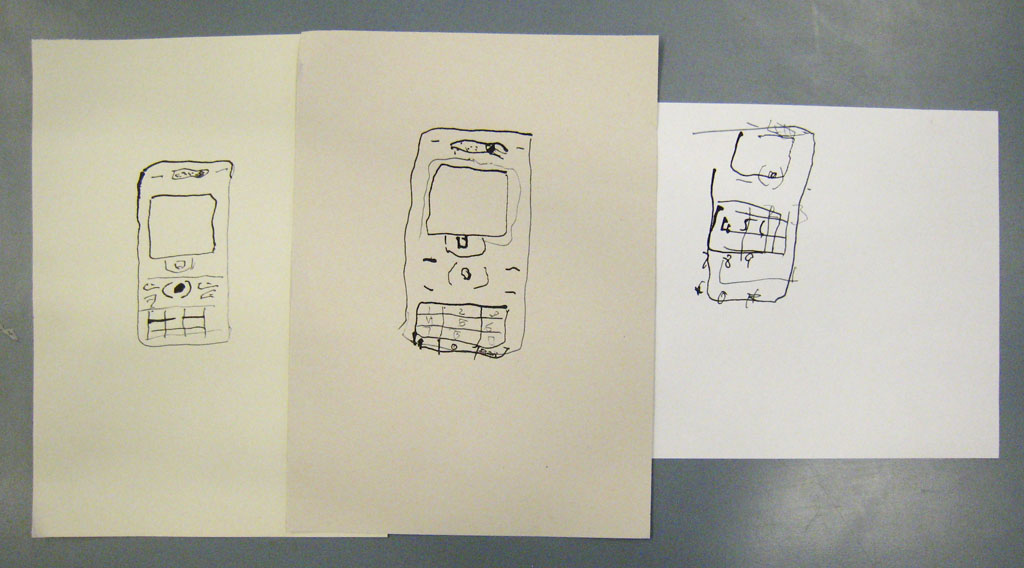
phone drawings

phone drawings

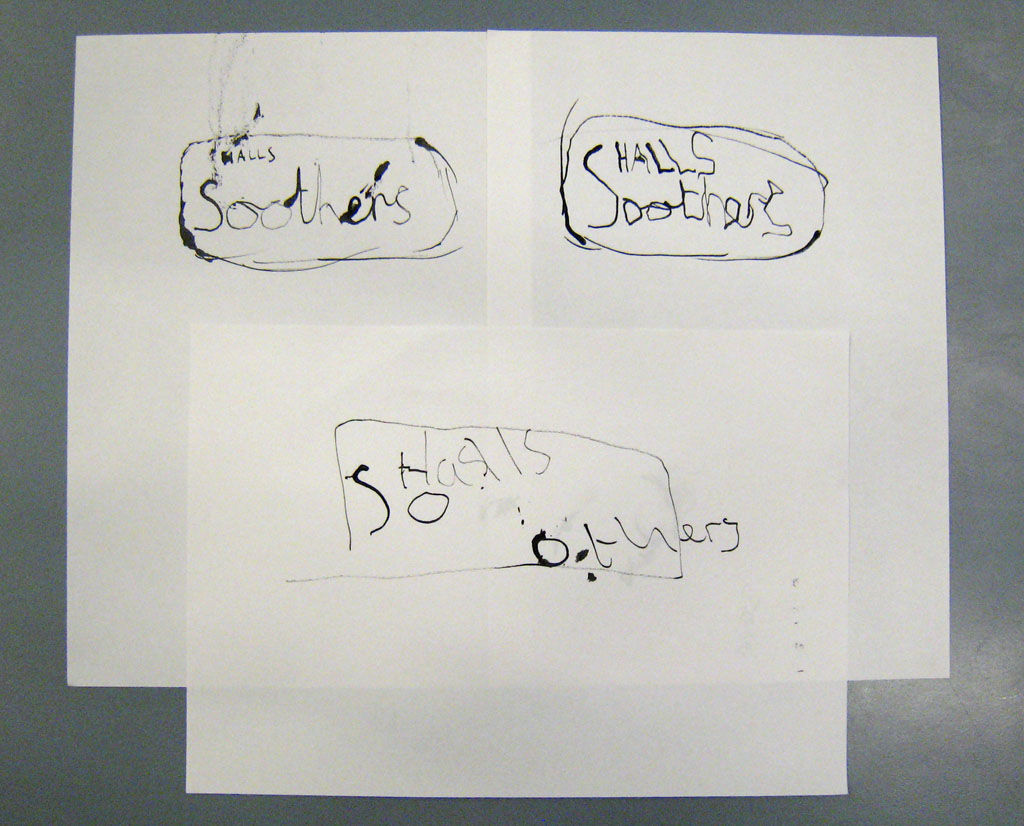
Soothers lo

Stephen's trusty soothers

Hope to see you all at another workshop.

Sharon

Masterclass – Biddulph High School

January 4, 2010 Workshops Comments Off on Masterclass – Biddulph High School

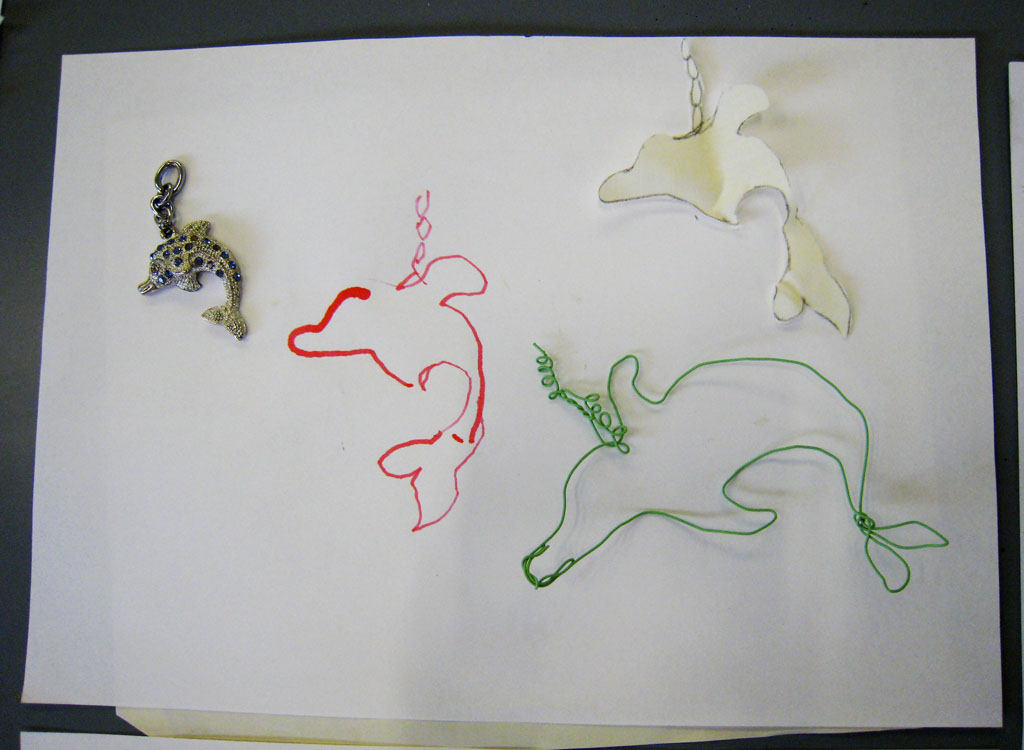
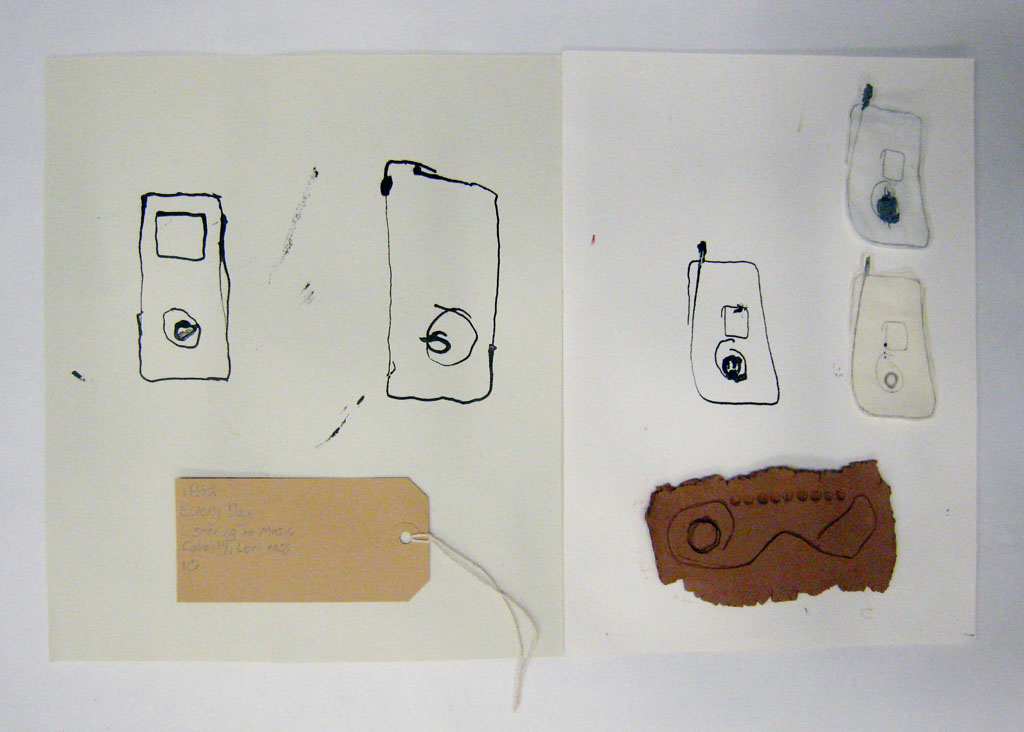
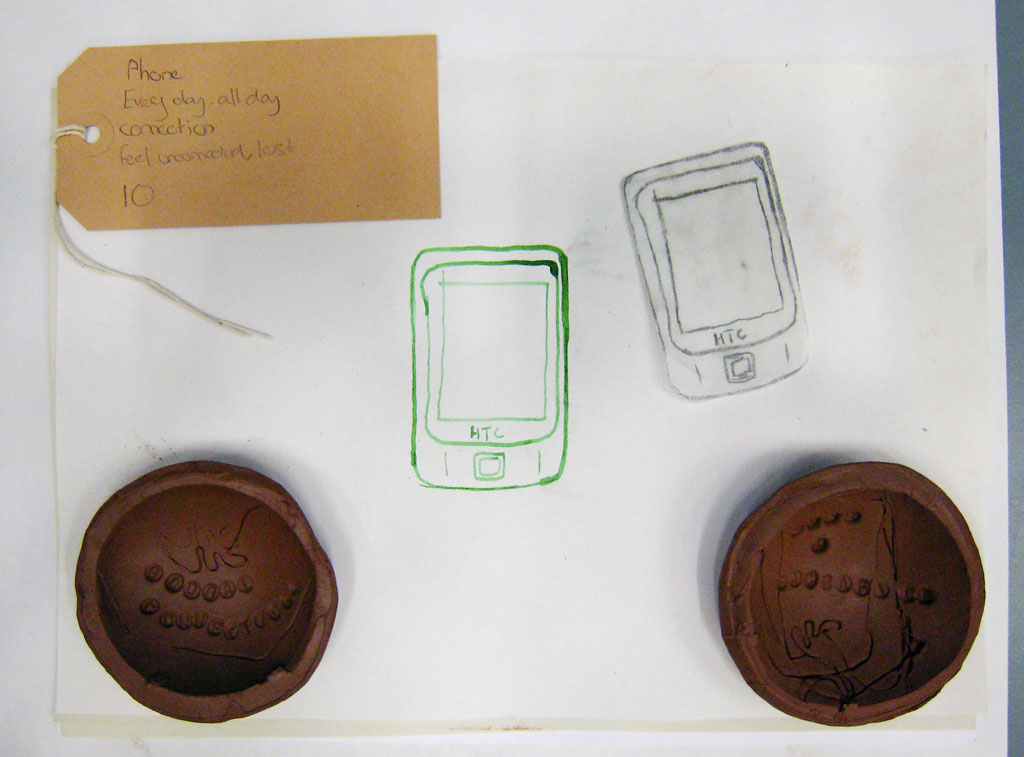
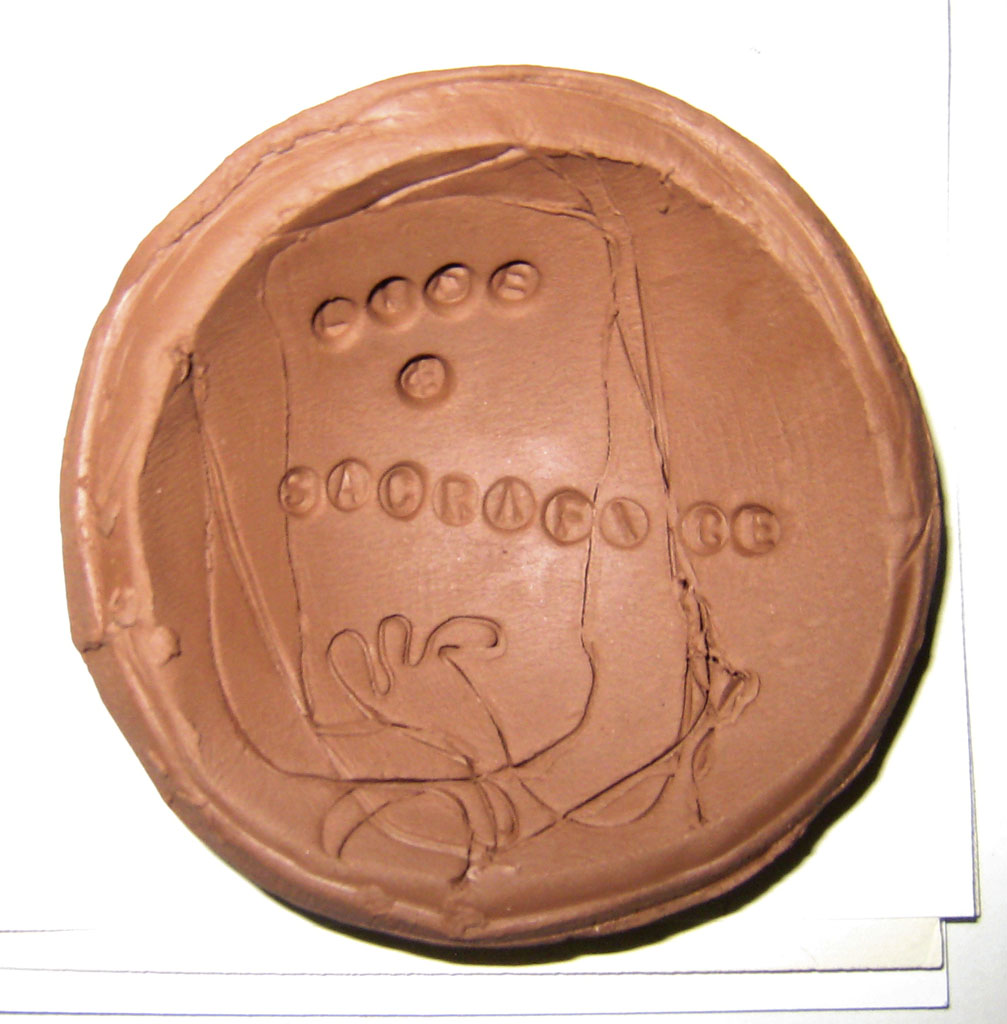
A credit to their school, pupils from Biddulph High engaged wholeheartedly with the workshop, producing a fantastic range of work.  Particular highlights included the work based on the mobile phone whose owner cited the feelings of loss and sacrifice should he not have access to this particular item and the iPod with poignant comments about the fatality and loneliness felt should this object be lost.  There were lots of fantastic drawings, too many to include but a couple worth highlighting are the dolphin key ring and the pen, which captured the essence of the object whilst displaying great verve and vigour!

group working in clay

group working in clay

Bethan helping out

Bethan helping out

Boys lo

Dolphin key ring

Dolphin key ring

Pen

Pen

iPod

iPod

Phone

Phone

Loss and sacrifice

Loss and sacrifice

Particular thanks to those who commented that the talk was a bit long.  You were right and I adapted this for the following day and it worked much better! Helpful feedback is always appreciated.  Hope we meet again at another workshop, or even at University should your studies bring you my way.

Sharon

Masterclass – the workshop

January 4, 2010 Workshops Comments Off on Masterclass – the workshop
Bygones handling session

Bygones handling session

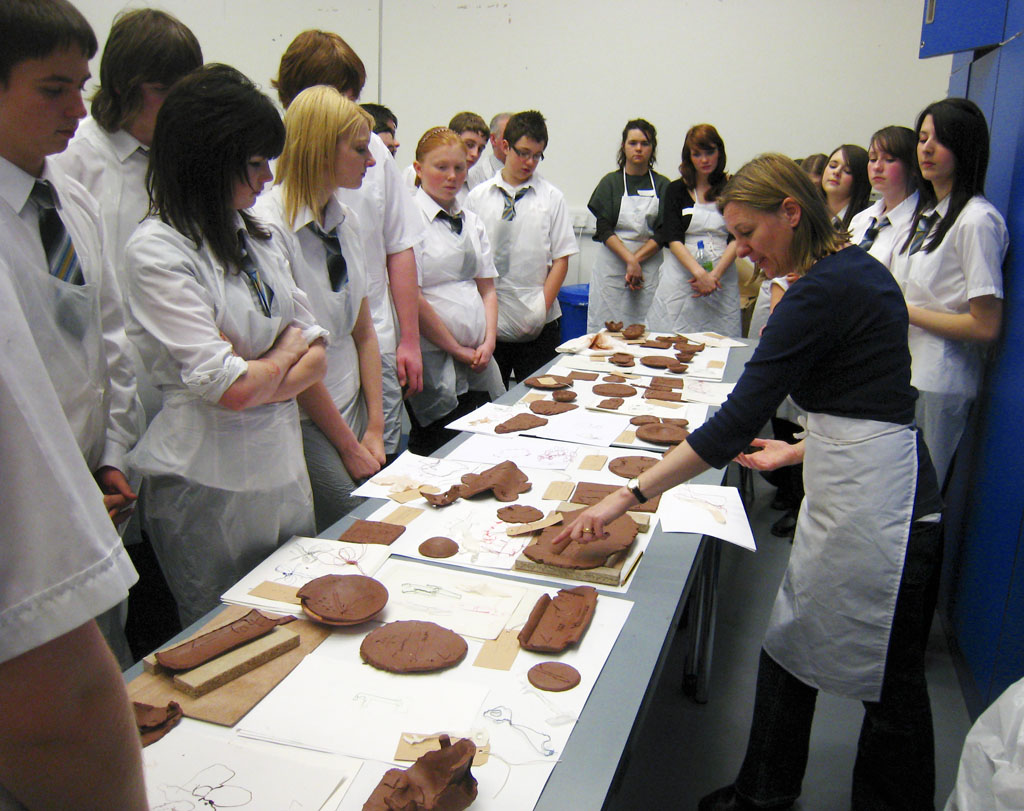
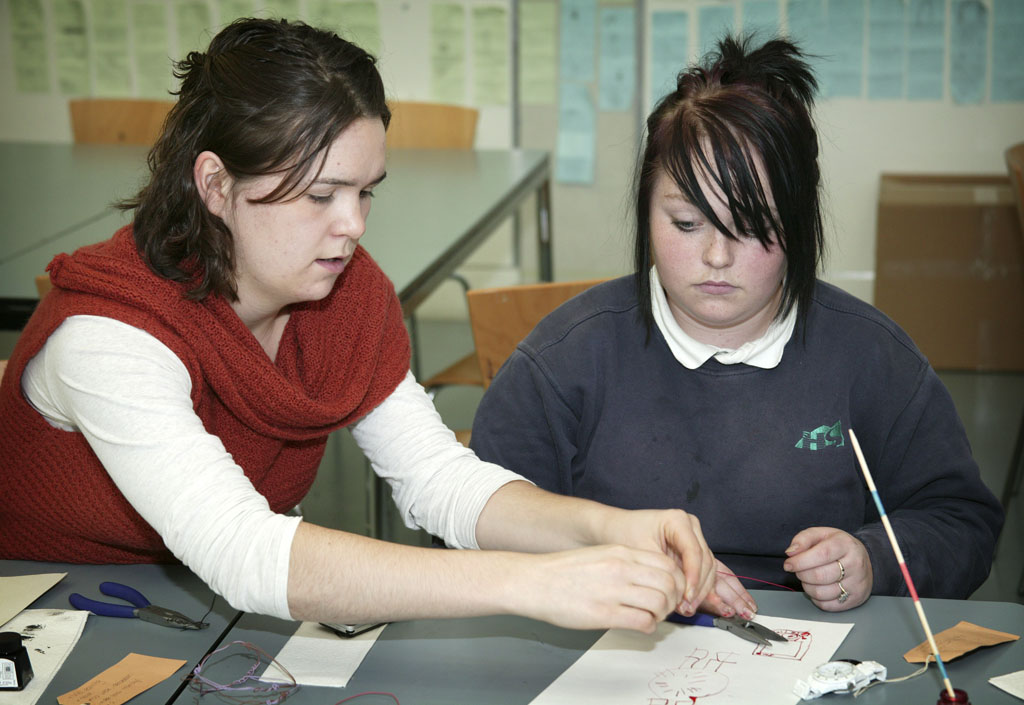
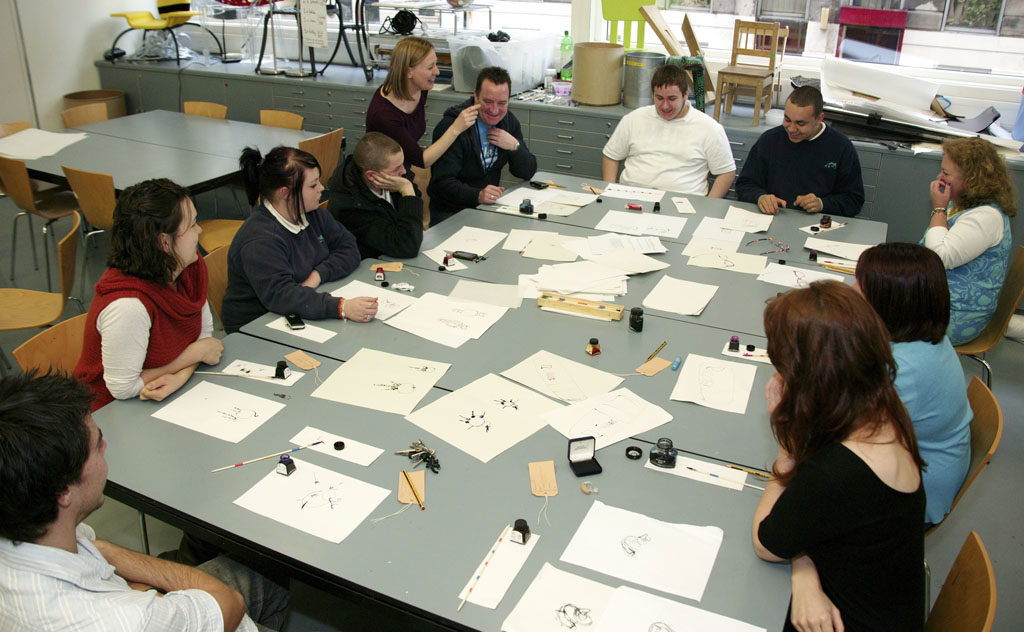
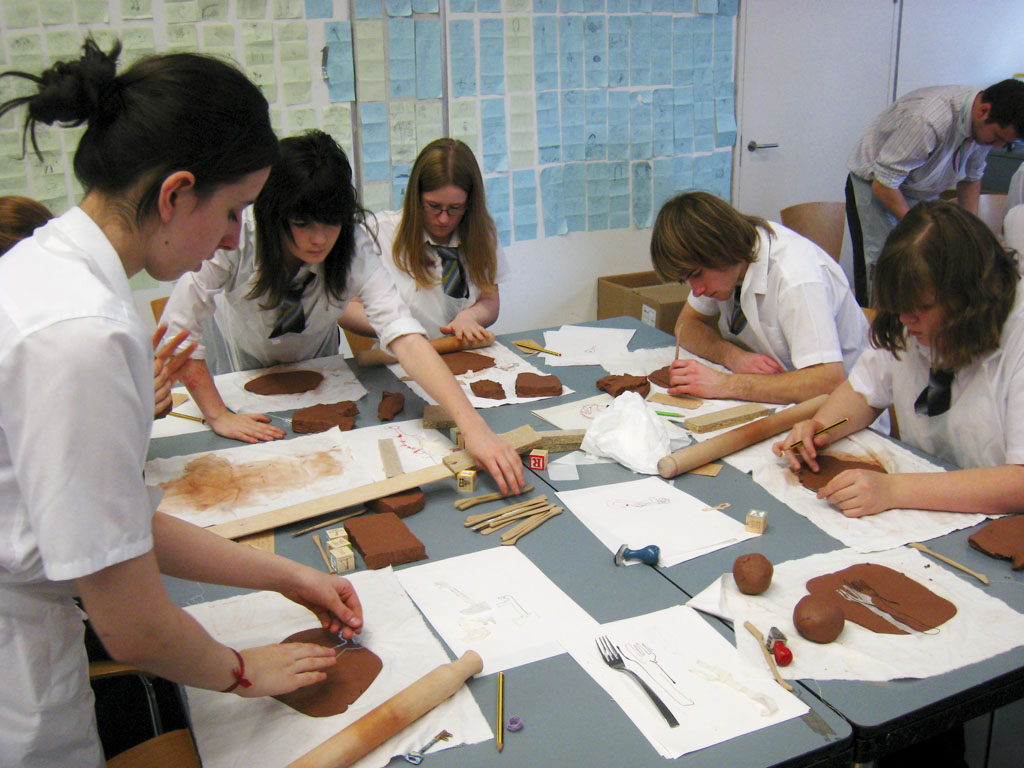
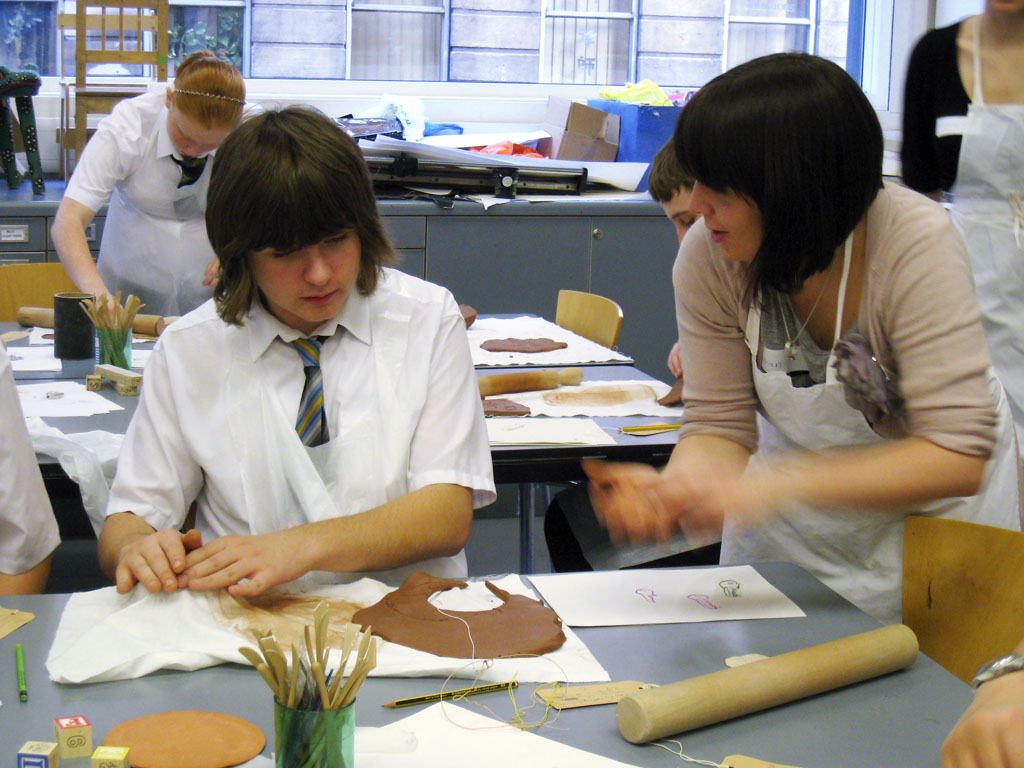
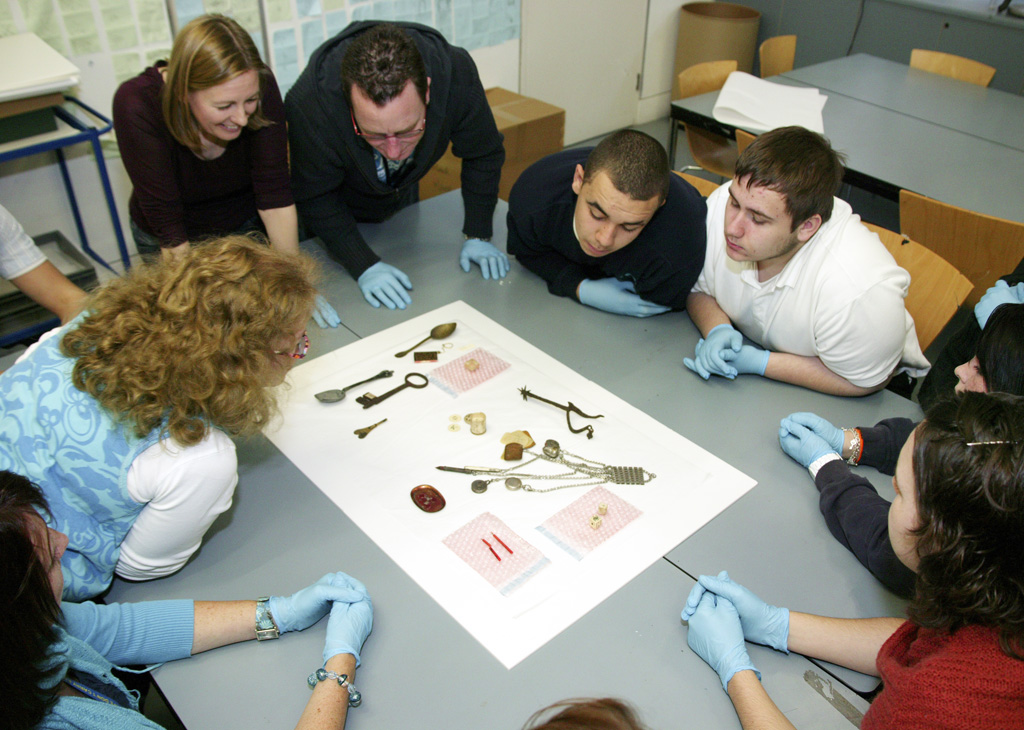
As part of the awareness raising and dissemination of the Mary, Mary project I ran two one day masterclasses at Manchester Art Gallery in Dec 09.  The day included a handling session of some of the Mary Greg Bygones, a talk about Mary and our project and a clay workshop that explored the value and narrative of ordinary and everyday objects, the sort that if Mary were collecting today, she might have acquired for her bygones.

Participants were asked to choose an object from their pocket or bag as a starting point.  Each person was given a luggage tag on which to write the answers to five simple questions: What is the object? How often do you use it?  What do you use it for?  If you didn’t have it what would be the consequence?  Out of a scale of 0 – 10 (10 being high), how important is this object to you? This activity focused attention on the value of familiar artefacts and the role they play in our daily lives (and perhaps gave some insight into Mary’s reasons for collecting the kind of objects she did).  It also provided information and key words for use later in the session.

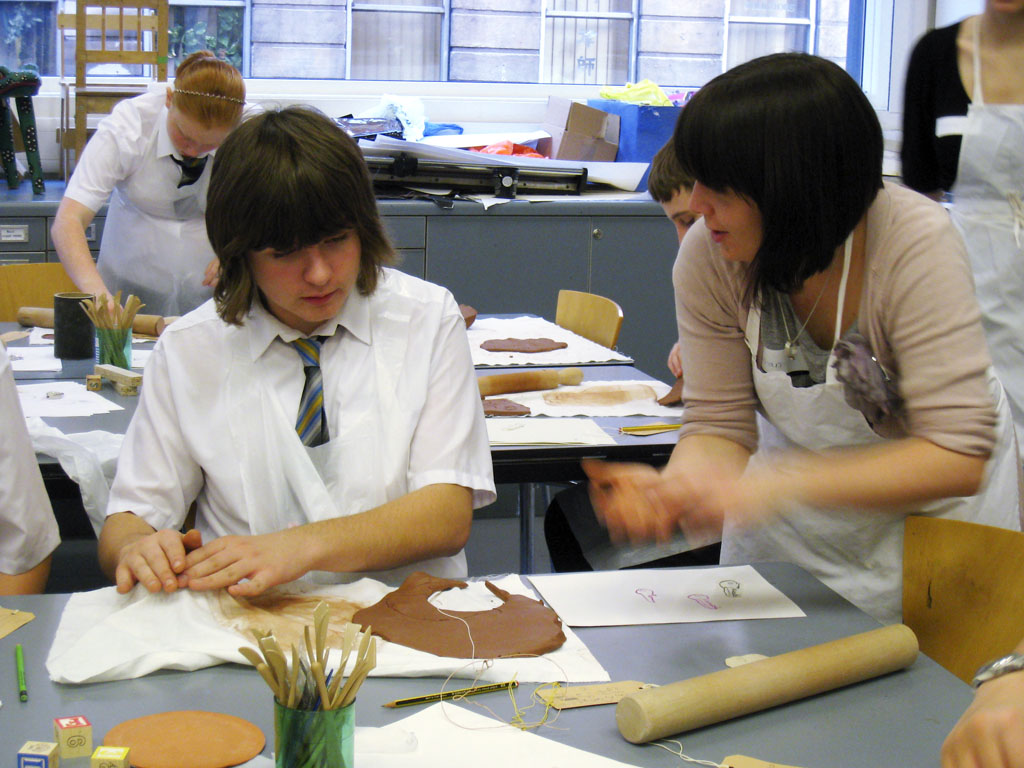
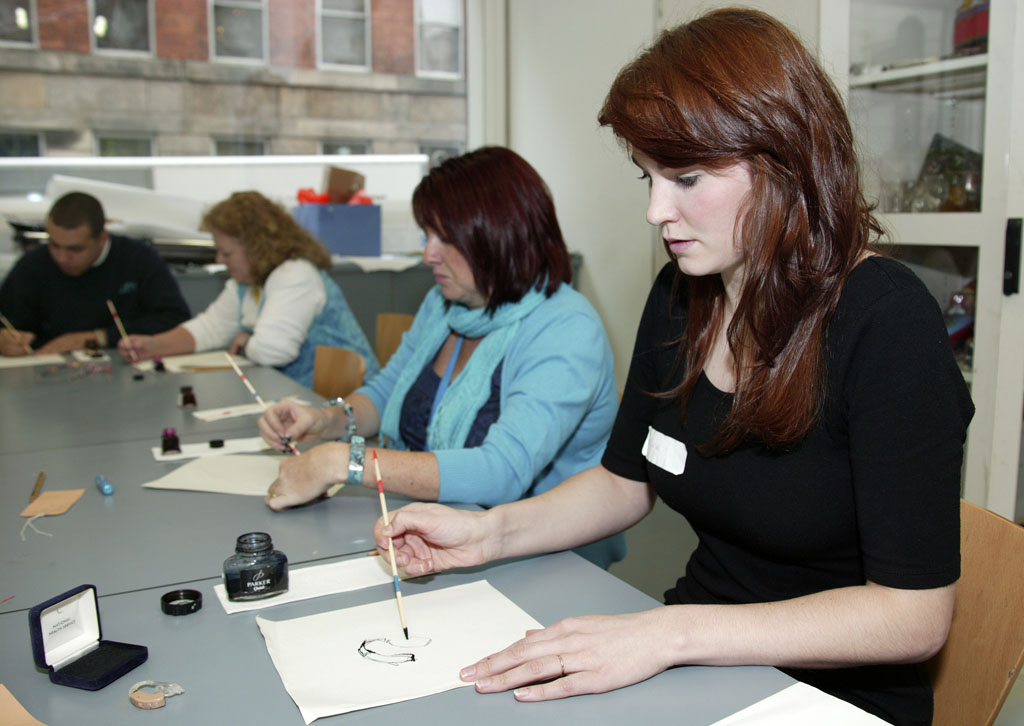
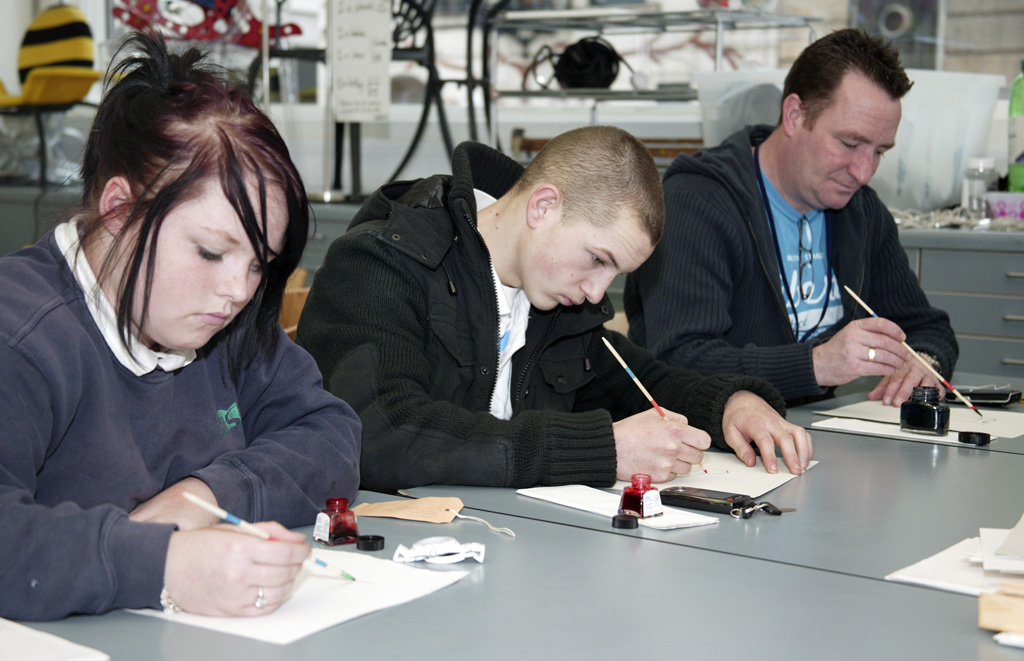
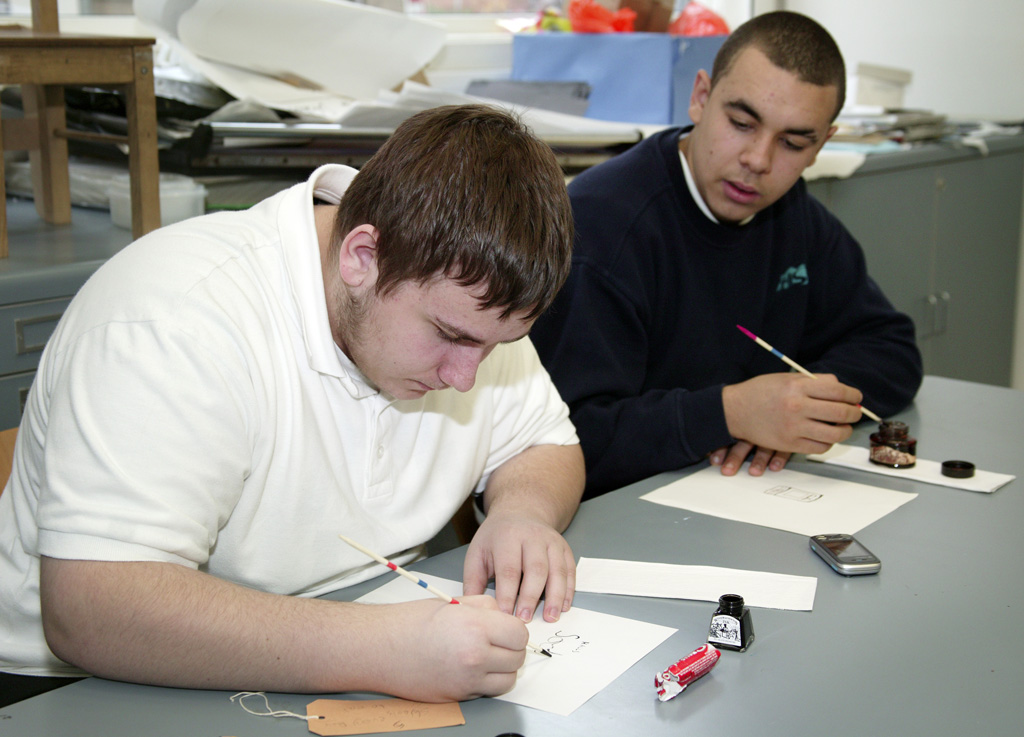
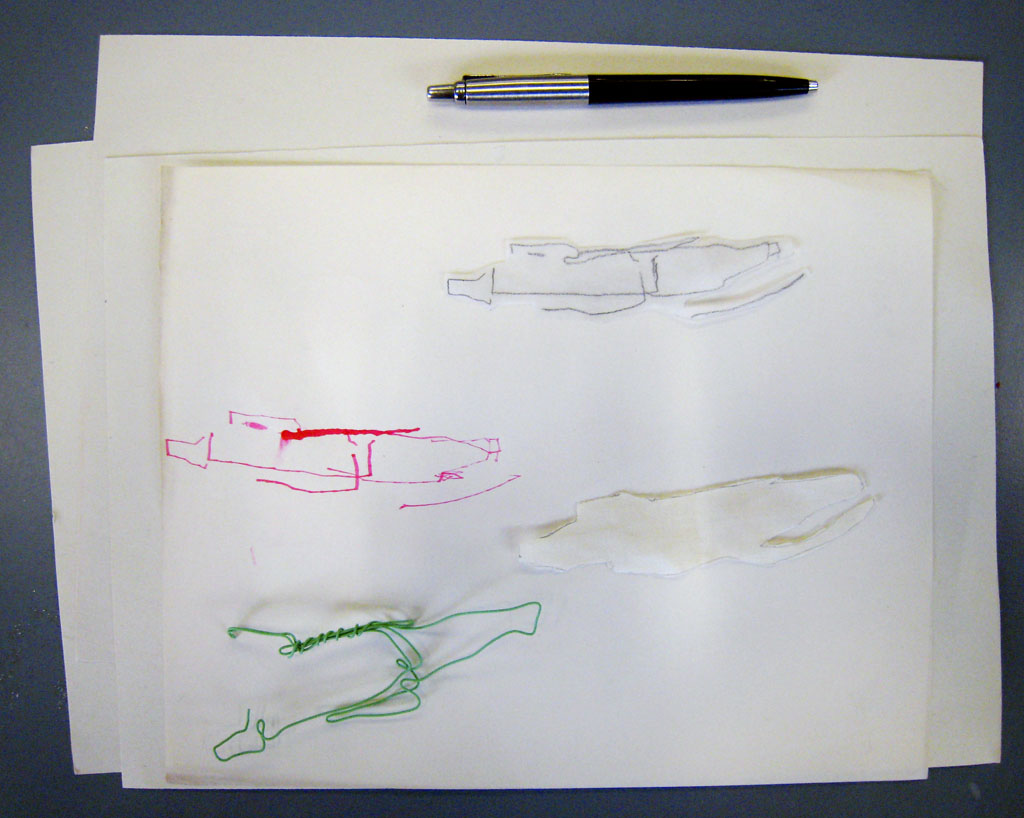
Further interrogation of the objects came through working directly from them via a series of short exercises.  These included drawing with stick and ink (with eyes shut, with wrong hand etc) and making wire drawings and cloth templates.  The changes in drawing styles and media provided a range of translations.  In each, reference to the original object can be traced if not immediately apparent offering an abstract vision rather than a literal copy.

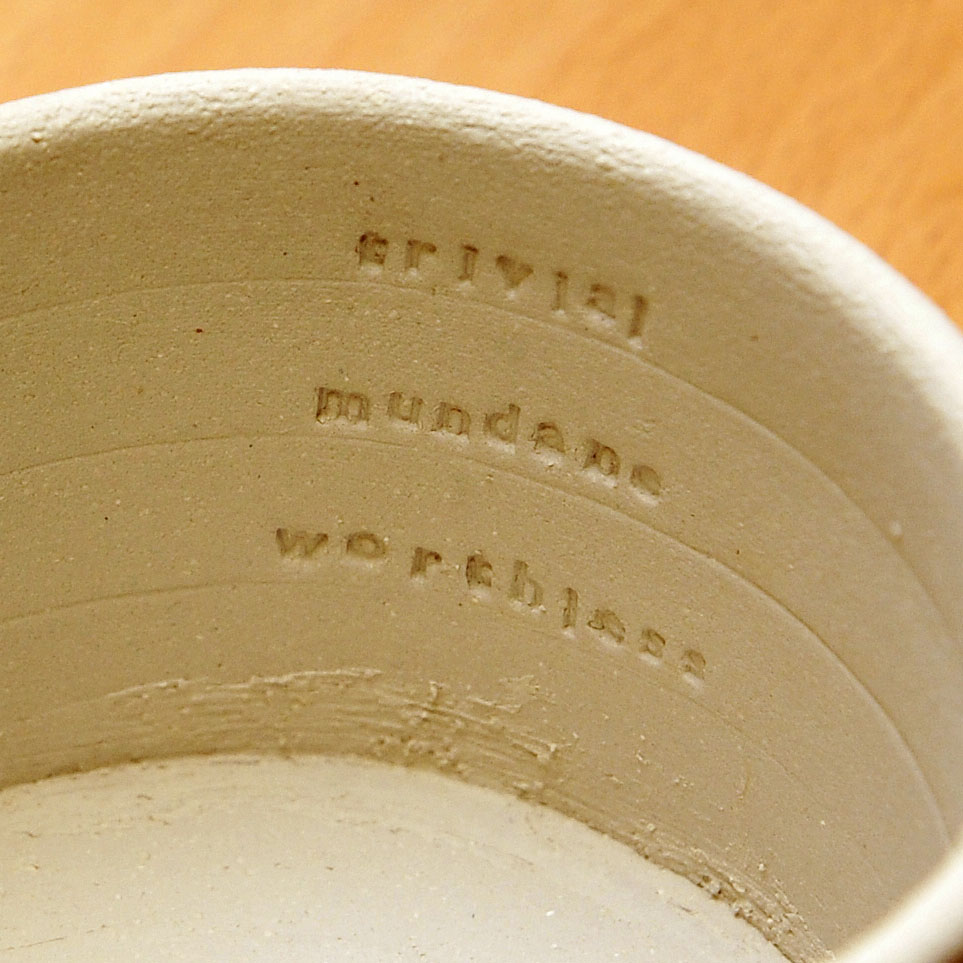
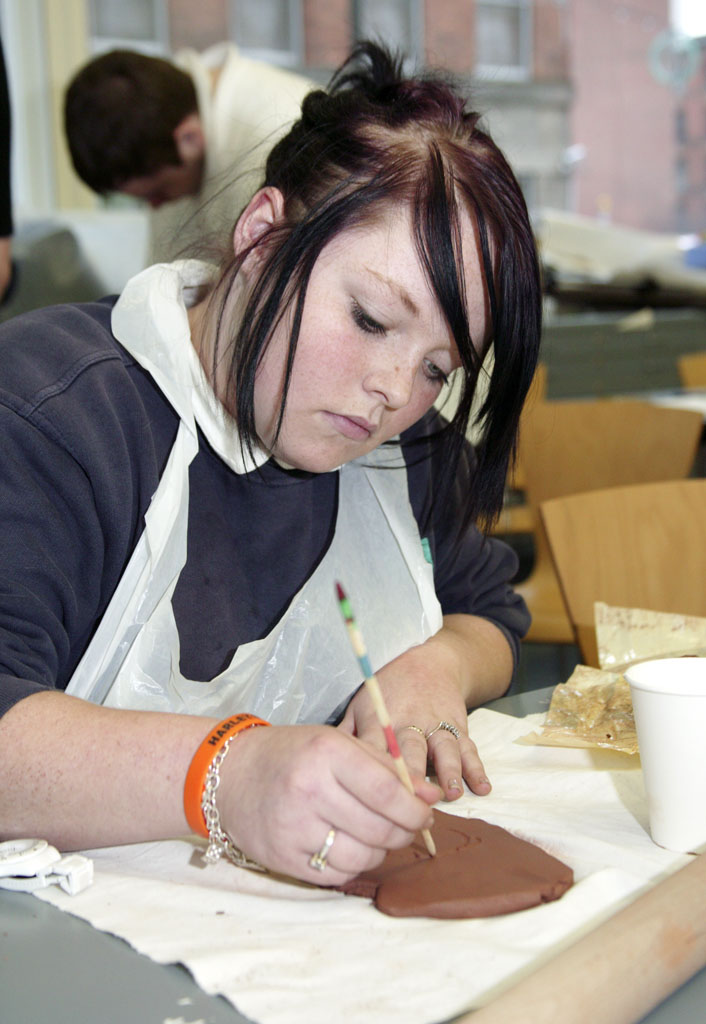
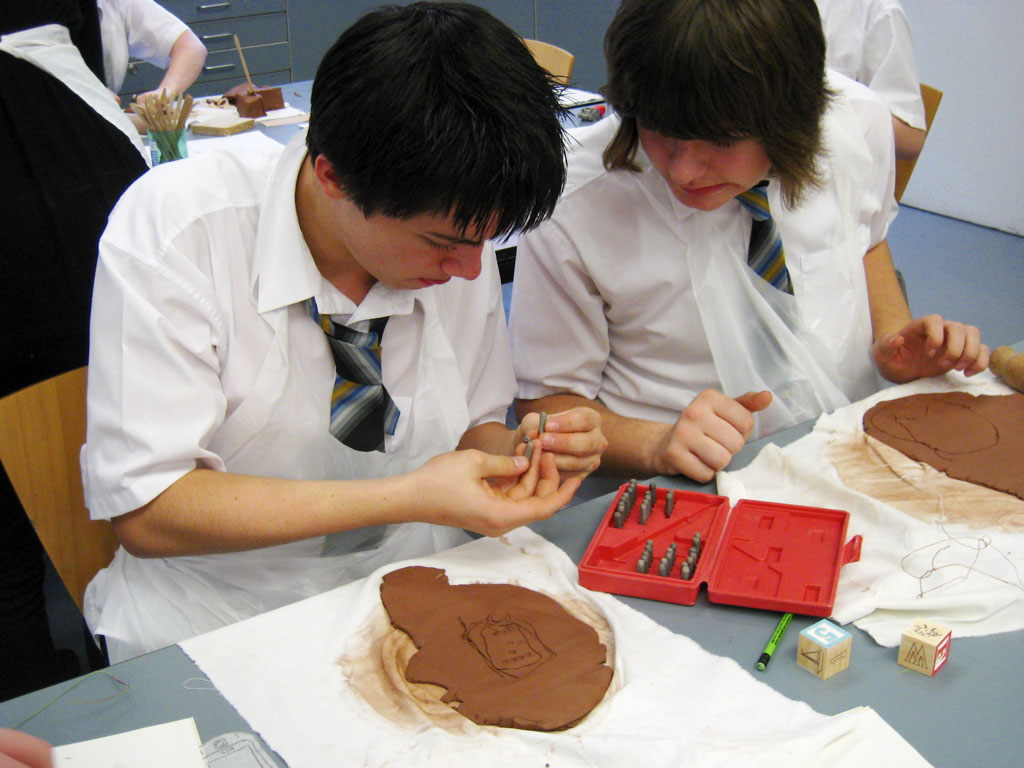
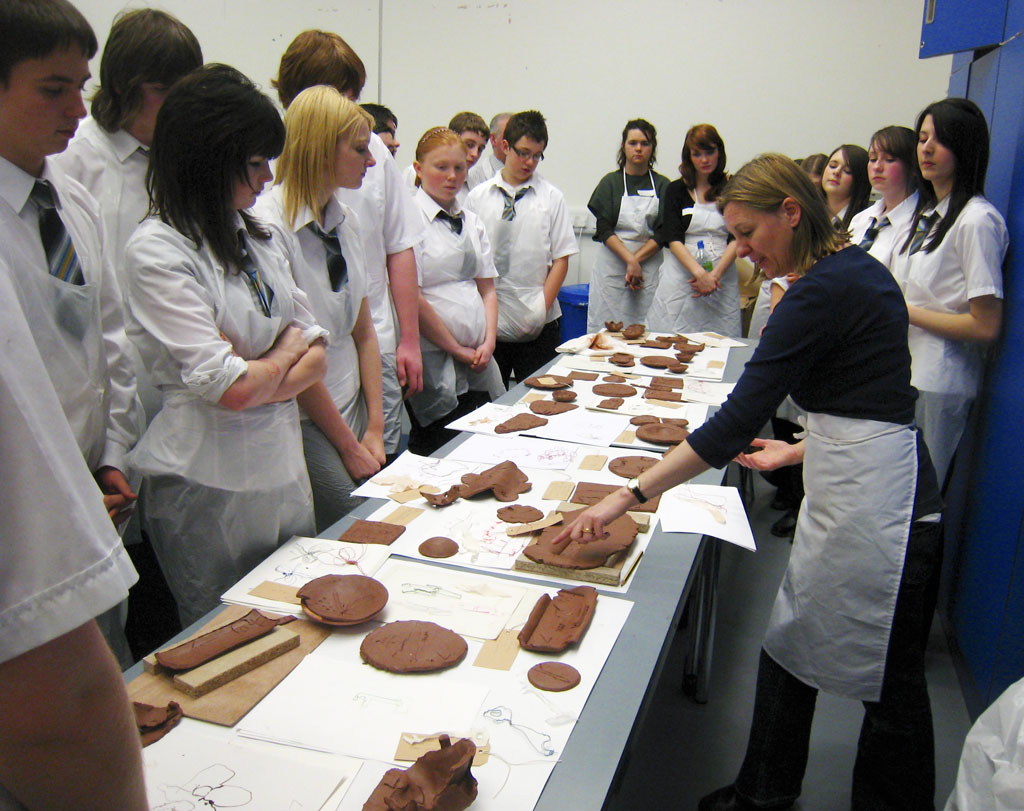
The cloth templates and wire drawings were then rolled into clay leaving a permanent record of the object.  Further mark making through letter and number stamps and direct drawing  into the clay with sticks allowed the inclusion of some of the key words identified at the outset.  The sheets of clay were then cut, formed and pressed into and over simple moulds and formers making bowls, dishes, plaques or tiles, a personal tribute from owner to object.

Mobile phone

Mobile phone

A final display of the original objects with labels and tributes provided  a forum for discussion and the sharing of ideas.  A good (albeit tiring) day was had by all and thanks go to the Art Gallery (particularly Jas Sohel) for organising the sessions and the schools (Biddulph High and Highfields School) for being such keen participants.  The fruits of their labours can be seen in separate posts!  Sharon

Final curation and group discussion

Final display and group discussion

The Lead Cross and Other Stories

November 12, 2009 Hidden Stories Comments Off on The Lead Cross and Other Stories
Lead Cross made during the time of the plague

Lead Cross made during the time of the plague

This object has stayed with me from the very first visit we made to the collection.  It is a lead cross with a handwritten label which says

‘Rough lead cross. Made during the time of the Black Death, 1349, when owing to the rapid deaths there was not time to make crucifixes’

In the dingy light of the stores the cross itself appeared much darker, almost black, and I was struck by its soft, graphic quality set against the flat regularity of the card. A black cross acting not only as a symbol of belief but also death. I think I want to explore this further.

Interestingly, when I was reading the letters I came across a reference to this very object.

Written by Mary to Batho and dated 1st August 1922, she writes

….the lead cross, which I believe was of the time of the Black Death – 1349, not the plague in 1667.  I find a number of enthusiasts came to England from Hungary during the progress of the Black Death and passed through the country lashing themselves till the blood ran down their shoulders in order that the plague might be stayed – these people were called flagellants….

archive letter detailing the story of the lead cross

archive letter detailing the story of the lead cross

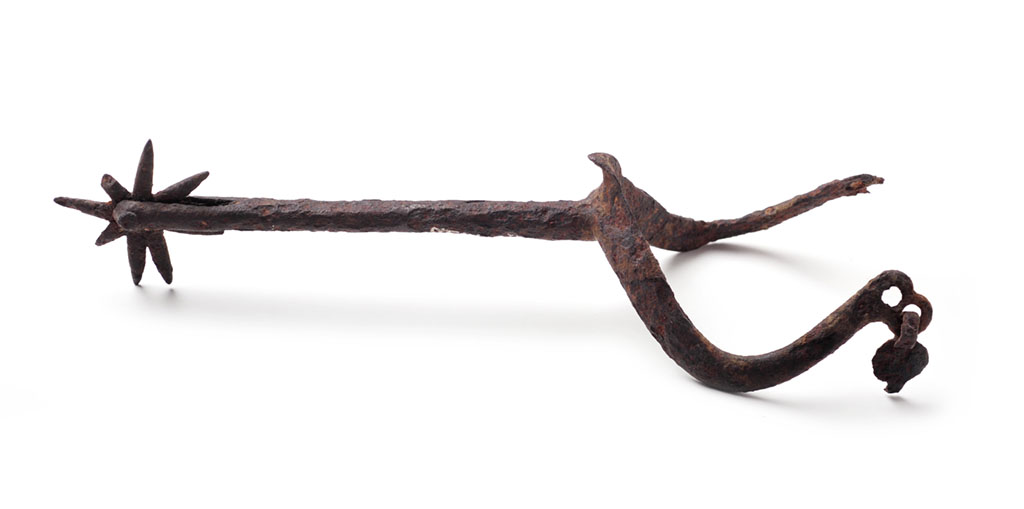
She goes on to talk about displaying the lead cross next to a flagellette also in the collection and placing a label alongside both to convey the story.  Mary very much liked the stories attached to objects and in some cases it may have been the story that led to her acquiring the object.  Such as Henry the Eighths spur!

In itself this is a curious addition to her collection (more often that not Mary collected a number of the same thing and there is only the one spur) and it stands out as an oddity.  I think she was seduced by the romance of the story of the spur , it’s royal connection and historical significance, rather than by the object itself.  Perhaps there is a hidden thread through the Bygones where the story is the reason for the objects acquisition.

Of course nobody really knows if the stories are true.  Was that really why the lead cross was made?  Is the spur authentic?  What evidence is there?  Has either object ever been carbon dated to ascertain the true dates?  Does it really matter?  Is an object’s value only intrinsic, academic, artistic?  Are meaning and narrative not just as important?  Who decides where value is placed?  If value is the result of context and knowledge, as time shifts does also the value of the object?

Henry the Eighth's spur

the spur

Are museums holding on to things that are no longer of any value?  How do we judge?  And what if we dispose of things today because of  a perceived lack of value and tomorrow reveals new found knowledge or cultural shifts that mean we have gotten rid of irreplaceable treasures?  The modern curator carries a significant responsibility.  But that’s another story! Sharon

Thomas Bateman

October 22, 2009 Hidden Stories 1 Comment
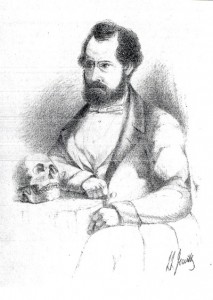
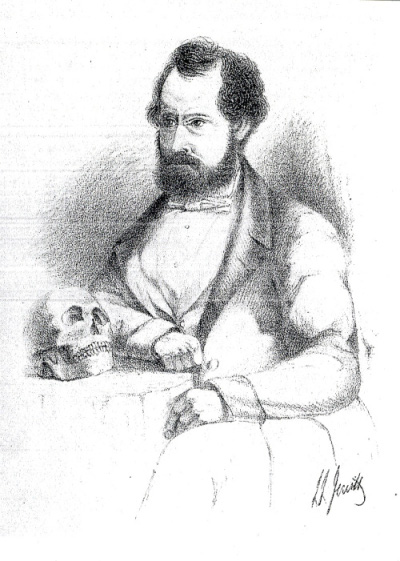
Thomas Bateman, pioneer archaeologist

Thomas Bateman, pioneer archaeologist

Whilst reading Mary’s letters held in the Sheffield Archive I came across a couple of references to a Thomas Bateman. In a letter dated Jan 14th 1944, Mary writes about a revolving circular table (that she wants to donate to the Guild of St George) “…which belonged to my grandfather T. Bateman the antiquarian whose collection of antiques I believe is at Sheffield“. In another letter there is a further reference to a Thomas Bateman of Middleton Hall, Youlgreave, who this time Mary say’s was her great uncle.

I was alerted by this on two counts. Firstly, there are some objects in the Bygones with a label adhered to them saying Bateman Collection. And secondly we have already identified the Rebekah Bateman of the passport (another item in the Bygones) as being Mary’s sister. I just had to find out who Thomas Bateman was and whether there was any possible connection! AND I think there is!!

A quick search took me to a site about Thomas Bateman – Pioneer Archaeologist (do read it, it’s fascinating!)

A “..nationally famous controversial pioneer archaeologist and Squire of Middleton Hall“. Apparently Thomas Bateman was regarded as a “scholar and a scoundrel” in Victorian times for his groundbreaking work in the field of archaeology in Derbyshire in the mid 1800’s.

Although his methods were crude he is responsible for some significant archaeological discoveries and his two published volumes of notes and records were instrumental in the development of modern methods of recording archeaological finds.

But how was he related to Mary? This is where it gets a bit tricky as there were THREE Thomas Batemans’, all part of the same illustrious family, so it’s a question of establishing which one! I have tried to draw a map of the link as it is too longwinded to explain in writing.
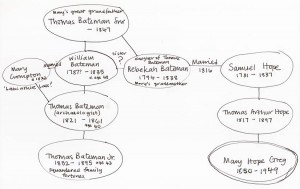
Mary's connection to the Bateman Family

Mary's connection to the Bateman Family

The connection to Mary is (I think) quite simple. Taking another look at the Hope family tree, and cross-referencing this with other records confirms that Samuel Hope (Mary’s grandfather) married a Rebekah Bateman from Middleton Hall, Derbyshire in 1816. This makes her Mary’s grandmother (and the namesake of the Rebekah Bateman in the passport!). Taking her birth date and date of death into account I am surmising that she is the daughter of Thomas Bateman Sr (potentially making this Thomas Mary’s great grandfather). His son William is the father of Thomas Bateman the archaeologist (but what relation would he be to Mary? -we really need a genealogist on the project!).
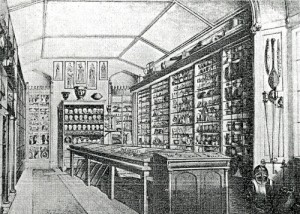
The Thomas Bateman Museum

The Thomas Bateman Museum

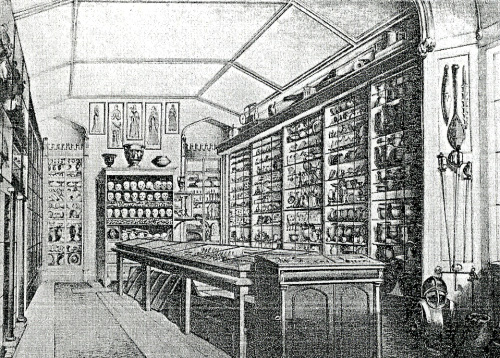
As well as being a pioneering archaeologist Thomas Bateman amassed a collection of artefacts at his home at Lomberdale Hall which grew so vast the Hall was extended to accommodate it and it became a museum of antiquities.
Why is any of this relevant to our research? Well, it could explain the origin of some of the objects in the Bygones collection and how they came into Mary’s hands, as the third Thomas Bateman (the archaeologists son) squandered away the family’s fortune in the late 1800’s and was forced to sell the family estate and the entire collection to pay off his debts. Did she acquire these objects then?. It also establishes a passion for collecting in Mary’s side of the family (and a maverick streak!). Who knows, perhaps she even visited the Bateman collection in her formative years! Perhaps her acquisition of objects from her family’s collection drove her to build her own.
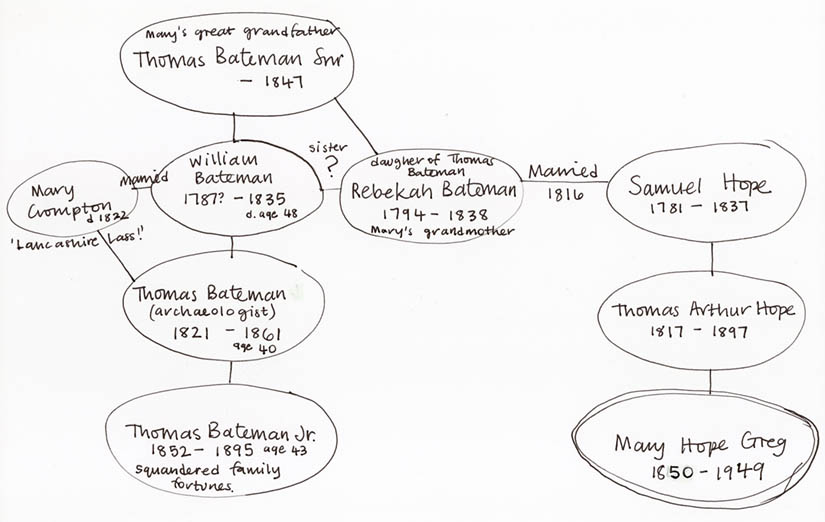
And one final note. William Bateman moved to Derbyshire from Manchester in 1820 at the age of 32 having just married “… Mary Crompton, a Lancashire lass“. Is it too much to hope that she was somehow related to Samuel Crompton?!….. Sharon