Books And Learning

June 5, 2010 The Collection Comments Off on Books And Learning

Besides the objects in the collection there is also a wonderful collection of children’s books.  Some of these were on display at Heaton Hall, certainly during the mid 1930’s.  Batho writes to Mary in July that year saying

…Darlington showed me some very nice wall cases that had been made to hold the large-sized children’s books.  He turns the pages over daily so that the children from the summer camp in the park have an opportunity of reading something new everyday.

The educational remit of the collection was a strong driving factor in it’s initial assembling.  I have amassed further evidence of this which I am currently trying to unravel and will post more at a later date.  Sharon

Box tray of miniature books

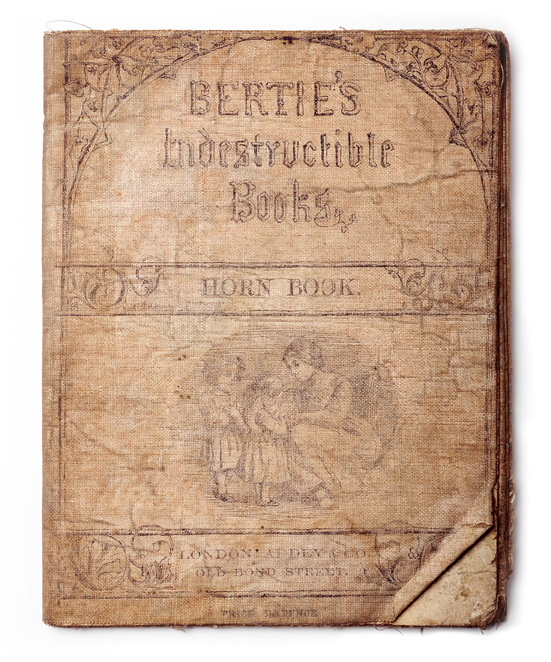
Bertie's Indestructible Horn Books

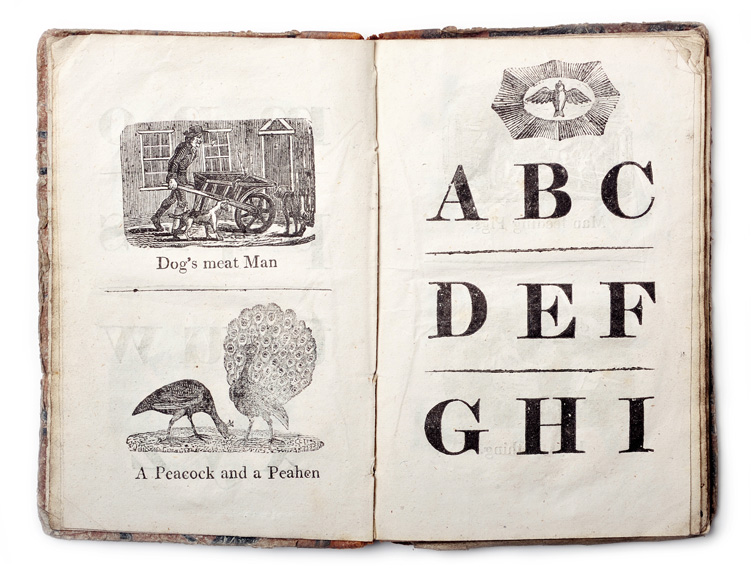
Inside Bertie's Horn Book

Pages from the children's book collection

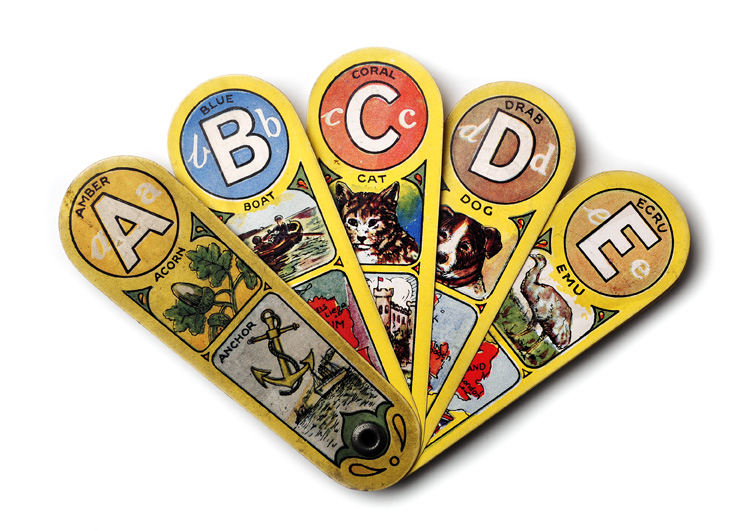
Alphabet Fan Book

Mary The Maker

June 4, 2010 Mary Greg, The Letters Comments Off on Mary The Maker

As well as being a passionate collector, Mary was also passionate about making things (including drawings as her nature diaries reveal).  This she saw as a way of making a noble contribution to education and learning.  There are numerous references throughout the letters of her making activity and a number of objects made by her hand are evidenced in the collection.  Many of these came to light through information contained in the letters (further proof of how valuable these letters have been to our understanding of Mary and her bygones).  On November 6th, 1934 in her letter to William Batho she mentions a firescreen

….with embroidery which I worked on one side and a sampler on the other…

After reading of this in the letters we searched for the firescreen in the collection.  And there it is, sitting on a shelf wrapped in bubble wrap. Peeking beneath the plastic, we could just make out her embroidered initials making claim to her handiwork!  For a moment it was as if Mary was there in the room with us!  The real value of the hand crafted object is that it stands just one degree separation from it’s maker.

Further proof of her making activity is shown in a letter dated April 27th, 1925 she writes

….then there are three shops!  Which I am responsible for and which with help from 2 or 3 have been very much my work during the dark, dull days

She would readily involve others in the making of things too!

Mrs Greg…is getting on with the furniture of the dolls house and the bed in particular.  She wanted to know if you could get four tops made for the posts of the bed like the one I am sending.

She was particularly keen that her collection would inspire others to make things.  In a letter dated May 3rd, 1934 she writes

I should like to think that some of those who enjoy the models would make things which in the future would be equally interesting, while at the same time would give them happy enjoyment and work!  This applies to the women too!

How delighted she would be at the emerging and growing number of artist responses to her collection today.  These contemporary responses provide not only new interpretation and meaning for this historic collection but at the same time contribute a new collection of objects for future generations to interpret and respond to.  Sharon

Mary The Second

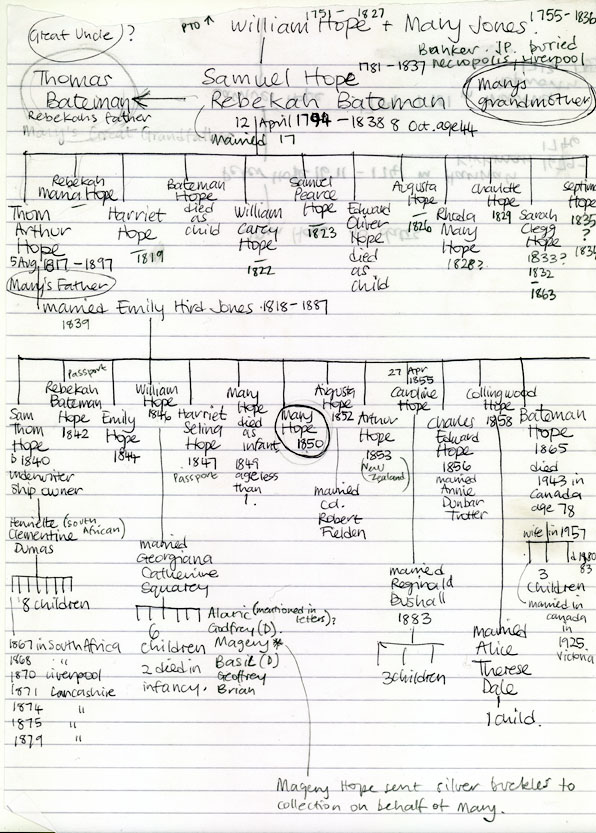
I was wondering why there has been some confusion over Mary’s birth date.  I know in my own research I have come across reference to her birth date being in both 1849 and in 1850.  This has puzzled me, so I revisited and cross referenced the various versions we have of her family tree.  I noticed on one that there are two Mary’s marked, one born in 1849 and another born in 1850.  There were two Mary Hope Greg’s!  The first Mary Hope Greg died before the age of one, our Mary Hope Greg being born the following year. I have added my working document of Mary’s family tree so you can see my notes so far on her genealogy (I’ll draw up a better version and repost when I can).

Hope Family Tree (draft)

How tragic for her parents. Even though infant mortality rates were much higher then and the loss of a child more commonplace, it must still have been a terrible event for the family (you’ll see from the family tree that there are other infant deaths in both the preceding and following generations). How curious that they should give their next daughter the same name.  Was this a common occurrence in those days?  And, I wonder if our Mary knew about her namesake.  How did it feel for her to be named after a deceased sibling? Was this naming in remembrance and commemoration or mourning and loss?  Any genealogists out there with any knowledge of these matters?  Sharon

Mary’s Eye

June 3, 2010 Mary Greg, The Letters Comments Off on Mary’s Eye

From reading Mary’s letters to the Art Gallery in the archive I knew she lost the sight in one eye in her later years.  I thought this may have been down to old age but when researching the Guild of St George link in the Sheffield Archive I came across another reference to this.  In a letter to the Guild dated 22nd November 1939, she writes

I have had a bad accident to one of my eyes from the handle of a lift door…..it had to be taken out to save the other….  I have to be thankful that I still have one good eye.

She was in her 90th year.  Her optimistic tone under such difficult circumstances is a reflection of both her physical and mental resilience and determination (nothing was ever going to beat her!) and I think helps further build the picture of her indomitable character.  At the time of writing she is living near Holcombe, Bath, I think with her niece and clerical husband (there is reference to this in a subsequent letter dated 20th June, 1945).

Mary carried on writing and latterly, dictating correspondence right to the end of her life.  Too frail to write herself, the last letter in the Art Gallery archive which bears her name (written on her behalf by Elizabeth Tranter) is dated June 26th 1949, a mere three months before her death on September 15th in the same year.  Sharon

Engage Creative Workshop – 21st Century Chatelaine

May 16, 2010 Workshops 2 Comments

I delivered a Mary, Mary themed creative workshop for Engage, National Association for Gallery Education, recently.  The stimulating one-day seminar was part of their Professional Development series: Craft, Makers and Making.  Ian Middleton, Ofsted HMI and Specialist Advisor for Art, Craft and Design provided a fantastic overview of current education policy and set the context for the days discussions.  His report “Drawing Together: Art, Craft and Design in Schools” contains some thought-provoking insights into the way the subject is being taught (or not) in schools today.  Essential reading for anyone involved with Craft education whatever the level of delivery.  Other presentations from Stuart Shotton of Craftspace and Katy Bevan from the Crafts Council highlighted some of the great work they are doing to engage young people in the crafts and making, ensuring the subjects’ continued relevance in an ever-changing and increasingly digital world.

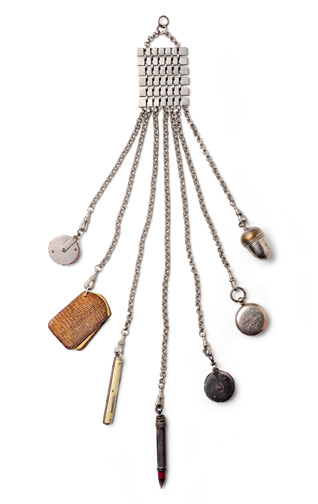
My session encouraged seminar participants to engage in some creative activity around the Mary Greg project.  Liz gave an enthusiastic introduction using the display in the Object Memories Showcase, in the Craft and Design Gallery and whetted everyone’s appetite for the session.  The Mary Greg chatelaine was used as a starting point for creative response.
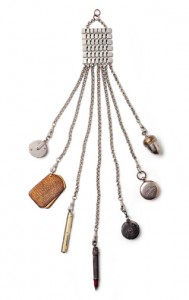
The Mary Greg Chatelaine

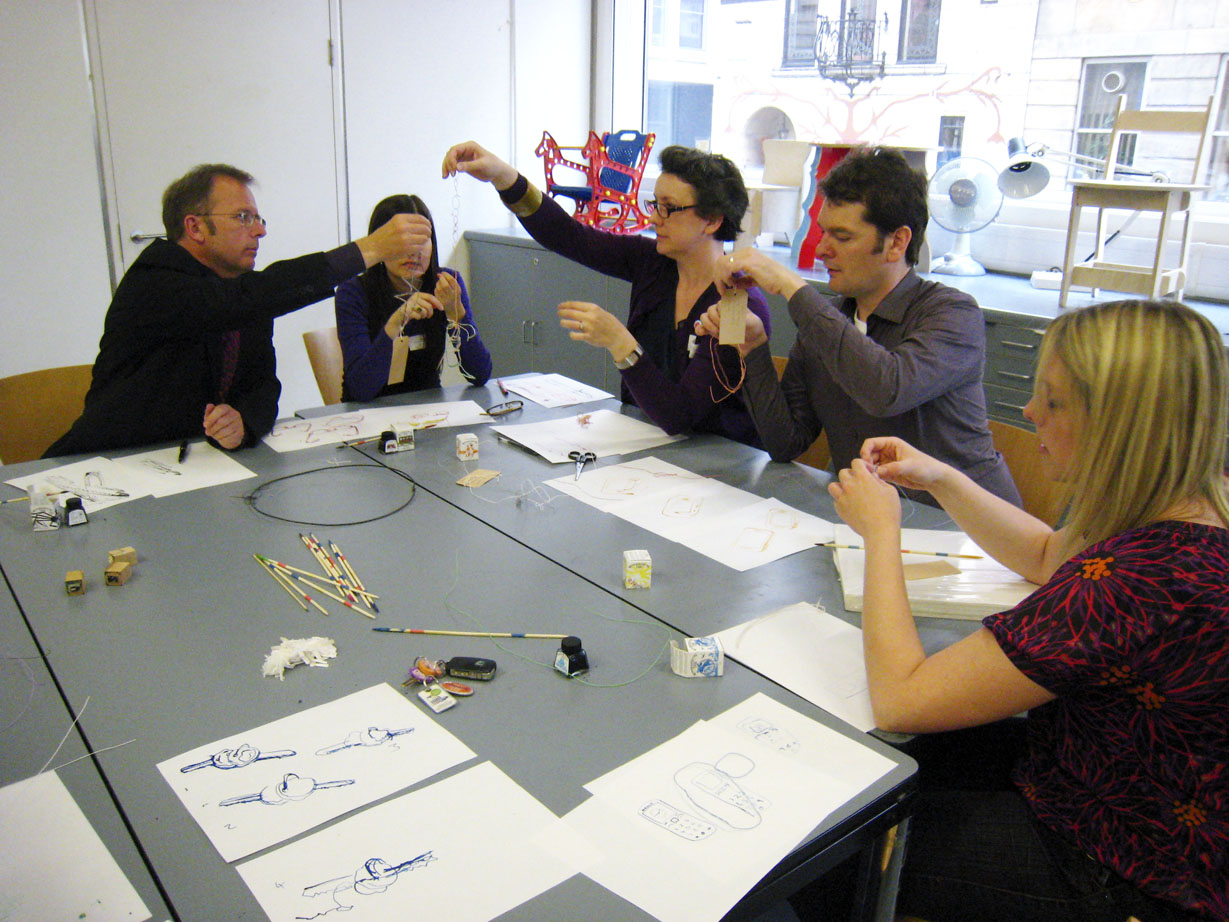
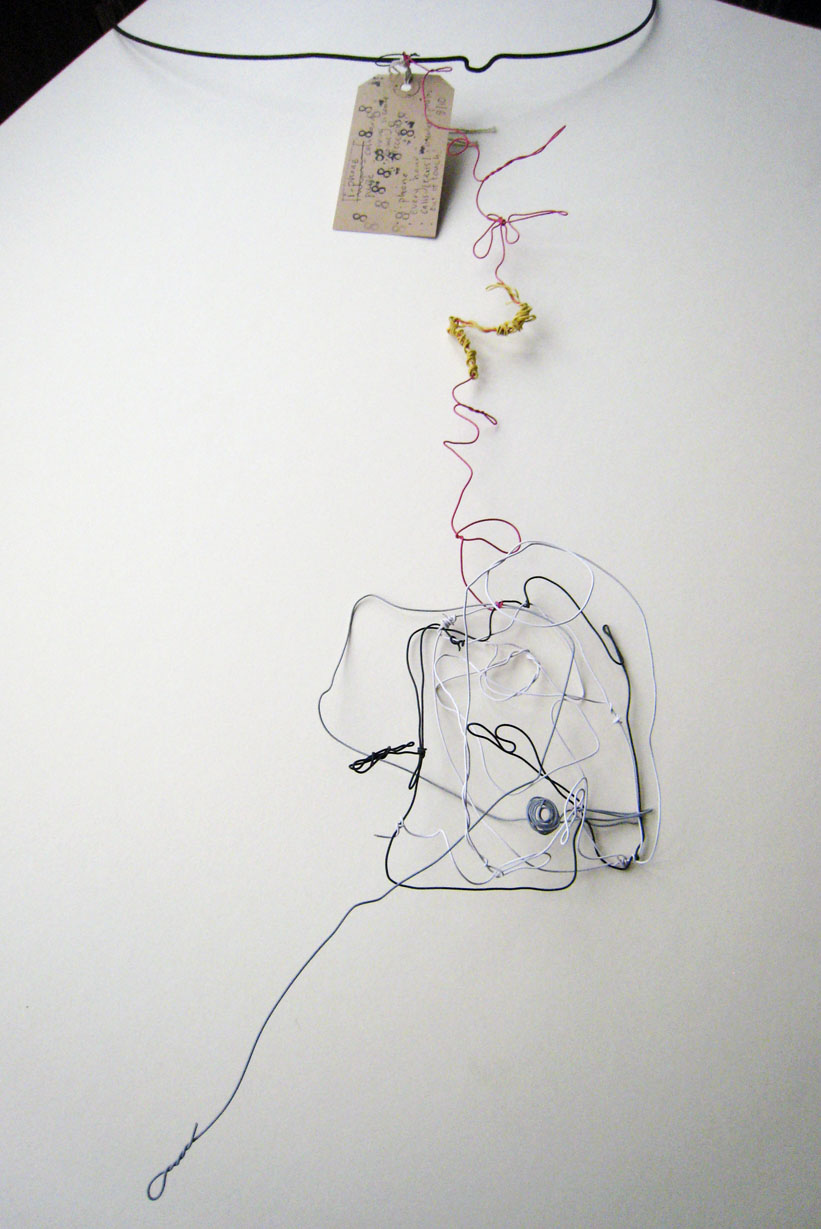
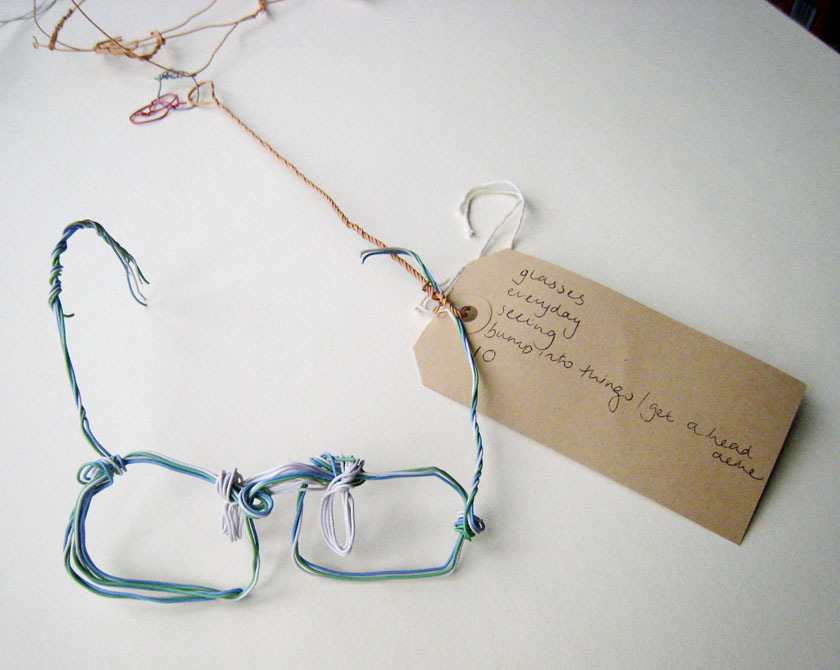
A chatelaine is a nineteenth century  item, usually worn by a housekeeper, a wearable ‘tool kit’ containing all sorts of useful objects necessary for going about her everyday business.  Hung from a loop usually attached at the waistband it allowed the wearer easy access to things like scissors, thimbles, needles, notebooks, pens etc.   Workshop participants were asked to choose an everyday object that they had on their person.  Starting with individual questioning, drawing and making, small groups then collaborated to create a ’21st Century Chatelaine’, a contemporary homage not only to the Greg chatelaine but also the objects we use and take for granted on a daily basis.  During the practical activity I tried to unravel, what to me are, the fundamental aspects of craft and making, picking out the key elements and transferable skills embedded in a hands on approach to creative thinking. Some examples follow (sorry I can’t show everything).
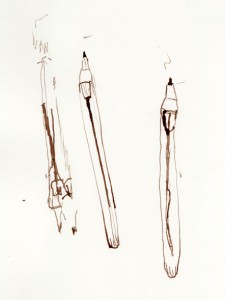
Ink Drawing - Pens
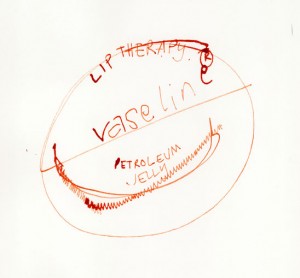
Ink Drawing - Vaseline
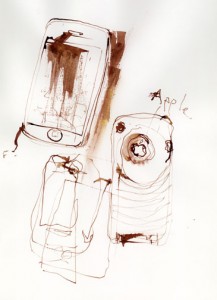

Ink Drawing - I Phone
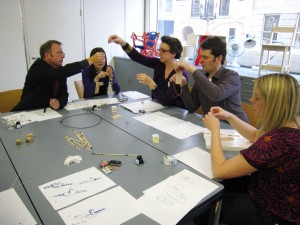
Wire working, discussion and decision making
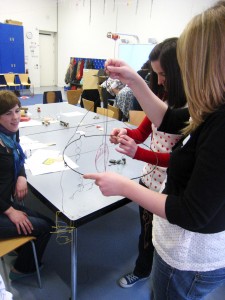
Collaboration and assembly
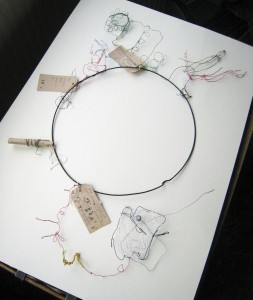
One of the completed 21st Century Chatelaines
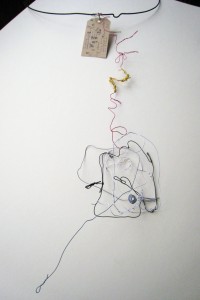
Detail - phone

Detail - Spectacles

Not bad for an hours work I think!  …And I was ‘Ofsteded’ into the bargain (I hope I passed!).

I have added links to some key websites below for those who want to find out more.

Engage – www.engage.org

Ofsted – www.ofsted.gov.uk

Crafts Council – www.craftscouncil.org.uk

Craftspace – www.craftspace.co.uk

Thanks to all participants.  Sharon

Day One, Week One

April 27, 2010 Artist Responses 1 Comment

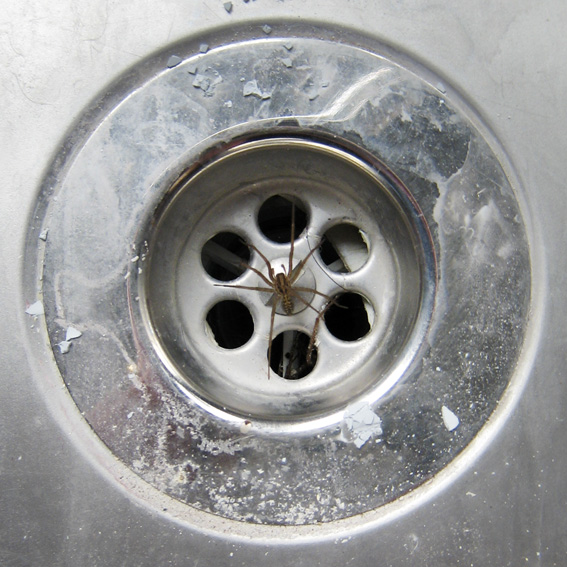
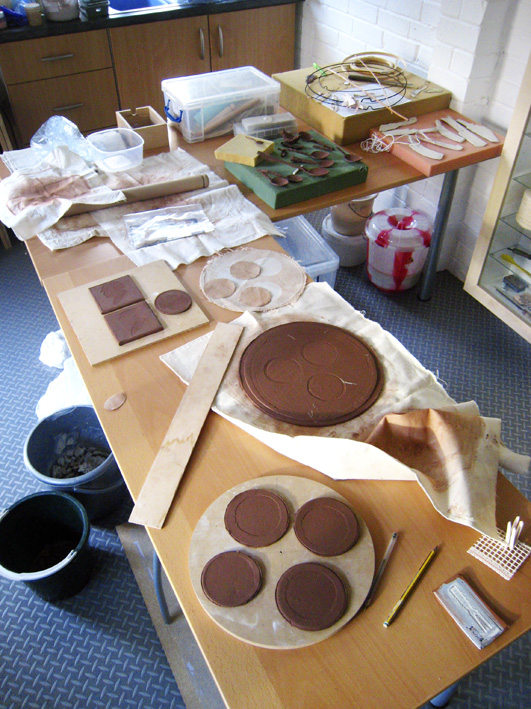
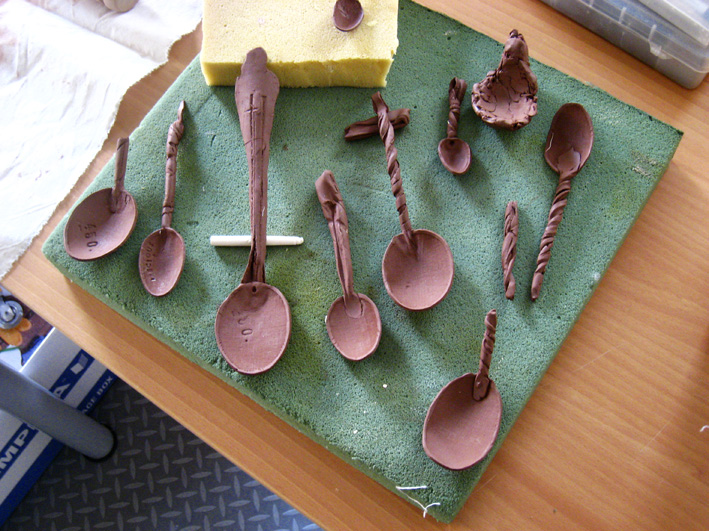
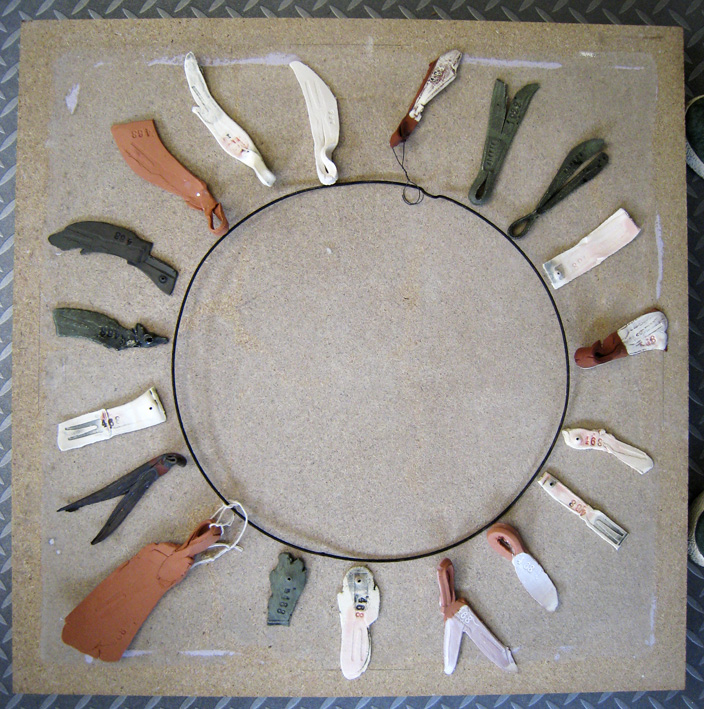
I’m fortunate to be able to spend a bit more time in the workshop over the next few weeks thanks to some funding from the Craft Research Centre at Manchester Metropolitan University to release me from some of my teaching.  This should enable me to move my ideas on and develop my creative responses to the project.  So I thought I’d show you what I have been working on today (once I tidied up a bit and cleared the spiders out of the sink!).  Watch out for more over the coming weeks.  Sharon

Day always starts with removing a spider from the sink!

making tests for 'Witness Marks'

Trying out oval bowls for value measuring spoons

Modelling another version of 'Mary's Chatelaine'

Missing Objects

April 15, 2010 Artist Responses, Hidden Stories, The Letters Comments Off on Missing Objects

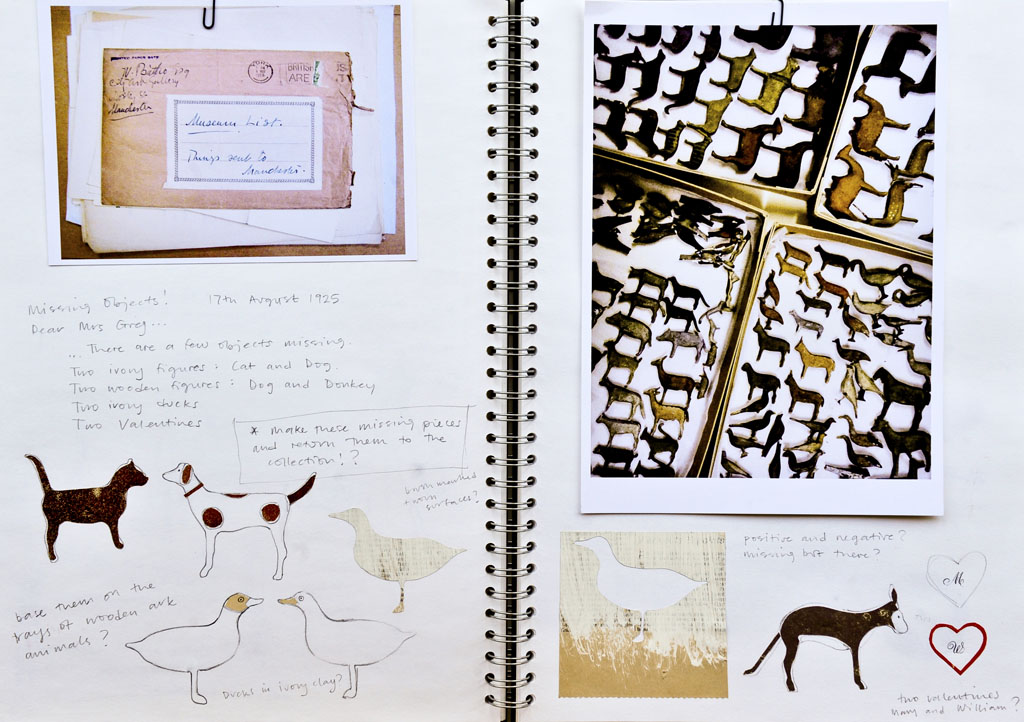
Whilst reading the letters I came across an interesting discourse between Mary and Batho about some objects that she sent to Manchester that went astray (17th August 1925)

“Dear Mrs Greg….There are a few objects missing, as follows:- Two ivory figures: Cat and Dog, Two wooden figures: Dog and Donkey, Two ivory Ducks, Two Valentines…..I have gone carefully through the packing and fail to find them….I will have another search made of the packing material.”

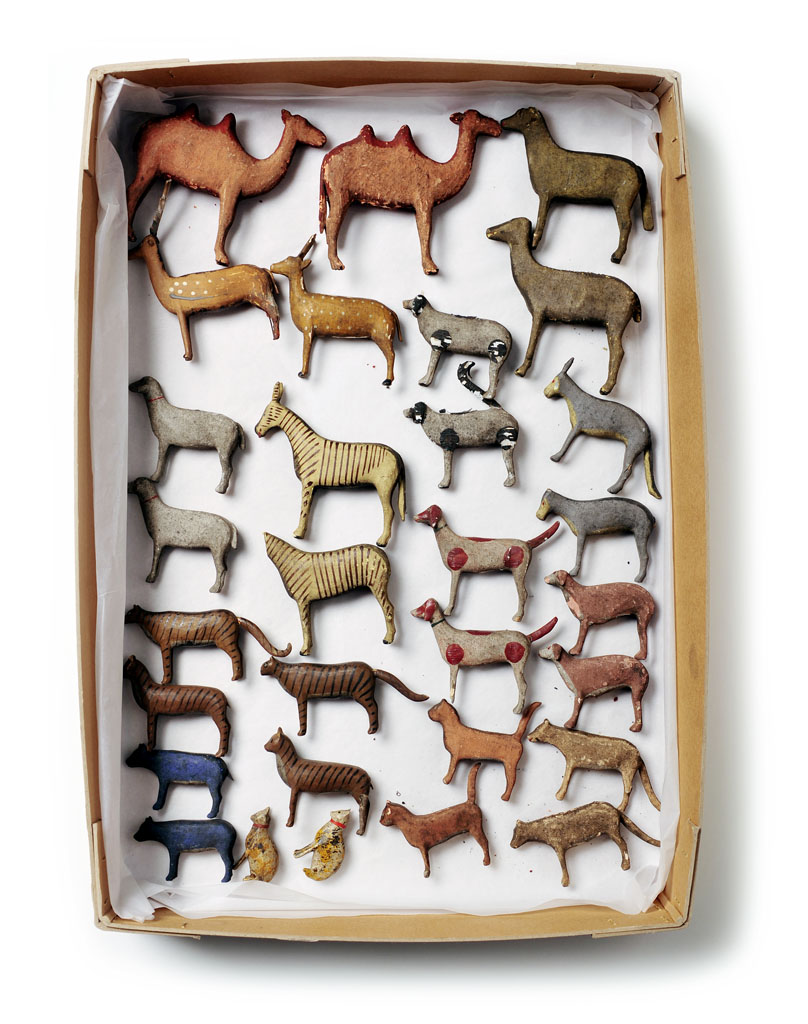
There is no further mention of them ever being found.  I feel compelled to return these objects to their rightful place in the collection and have been working on a few ideas.  I thought I might take the trays of Noah’s Ark animals as a starting point and have used these as the basis for interpretation through drawing and clay.

Noah's Ark tray. Loved the spotty dog the blue boar and the zebra with the missing head!

Spotty dog

Sketchbook pages

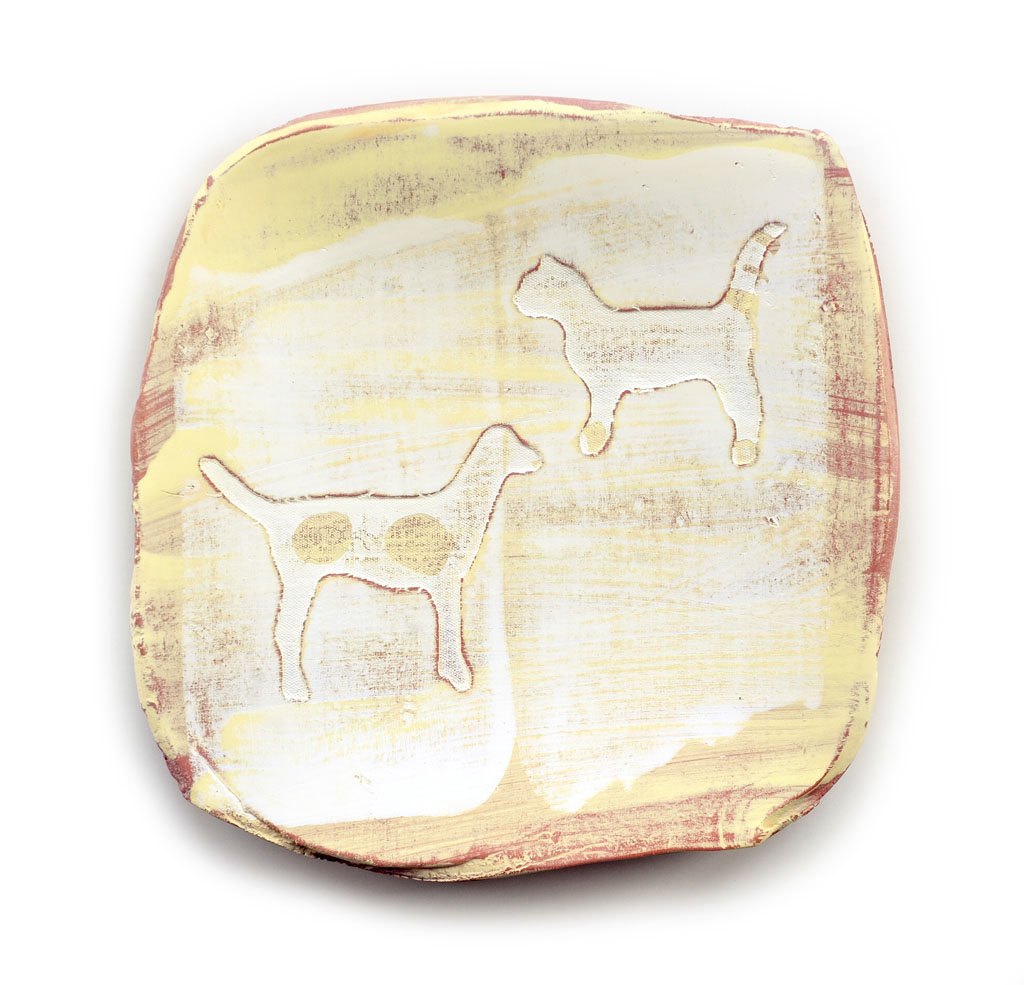
Early clay test - Cat and Dog

Two ducks

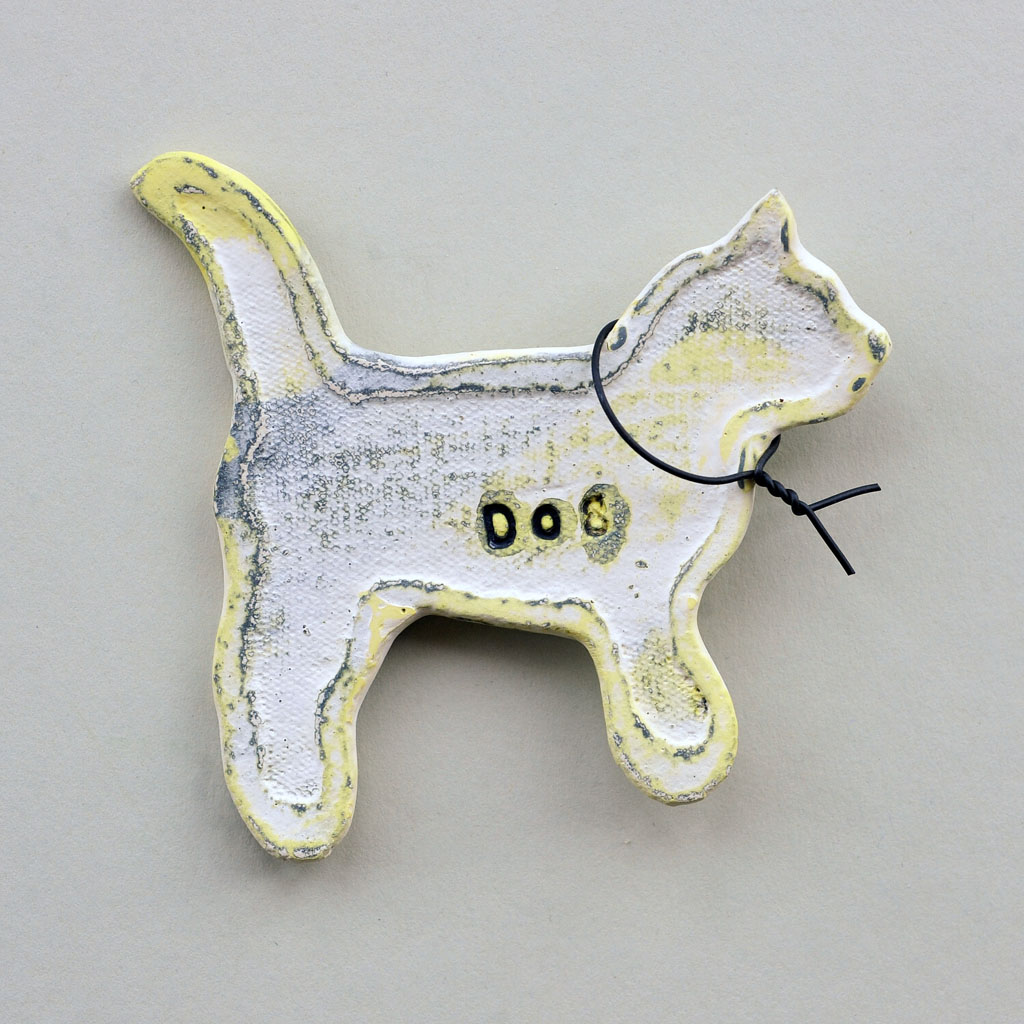
A cat and a dog?

Two Valentines

Not sure yet whether the idea will develop into a dish or tray to reference the box, or something else entirely.  I’m still playing!  Sharon

Silhouette

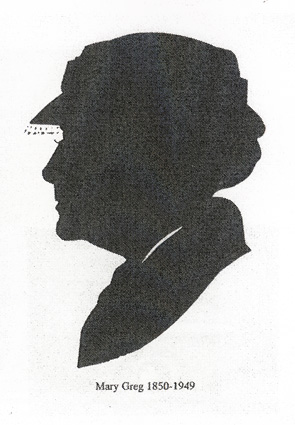
Mary Greg 1850-1949

I particularly liked the silhouette of Mary in the extracts from ‘The Gregs of Westmill’ by Sheila Ormerod that Dr Stuart Eagles sent us (lovely detail on the rim of her hat).  I wonder where the original is?  If anyone out there has any idea maybe you could let us know.  There was mention I recall of some Greg artefacts from the Westmill museum being accessioned into the museum or art gallery at Stevenage, I think.  I wonder if it was amongst those things? It would be great to get hold of  it (if it still exists) for inclusion in the exhibition.  Sharon
A Fabulous Research Contribution!

A big thanks to Dr Stuart Eagle who got in touch following the Guild of St George post.  Our subsequent email correspondence has revealed some new leads for our research and provided us with some fantastic contacts with The Guild and The Ruskin Review who we hope will help publicise our project.  Stuart is about to publish his doctoral thesis “After Ruskin: the social and political legacies of a Victorian Prophet”  and was kind enough to forward us his chapter on Ruskin and the Companions of the Guild of St George.  He also brought to our attention an article by Mary B  Rose “Diversification of Investment by the Greg Family 1800 – 1914” which provides us with background information on the Greg family’s finances. This gives us some insight into Mary’s financial status which of course provided the means to fund her collecting.

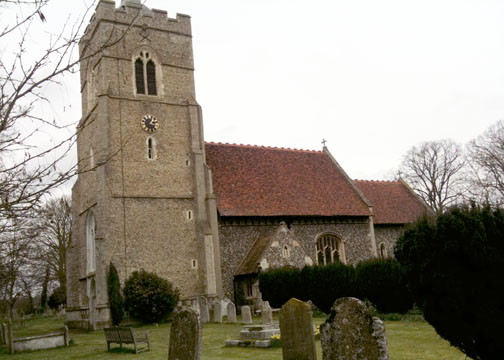
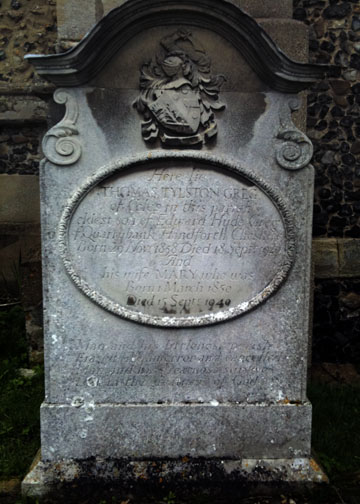
Stuart has also recently been to Westmill and forwarded me some images of the church and Mary’s tombstone and memorial tablet which I post here for you to see.  This wonderful sharing of knoiwledge is what the project is all about, so if  anybody else out there  has anything to contribute please do get in touch.  Sharon
The church at Westmill, Buntingford, Hertfordshire

Mary and Thomas Tylston Greg Tombstone

Mary and Thomas Tylston Greg Memorial Tablet

Mary and the Guild of St George

March 29, 2010 featured, Mary Greg 1 Comment
Mary and the Guild of St George

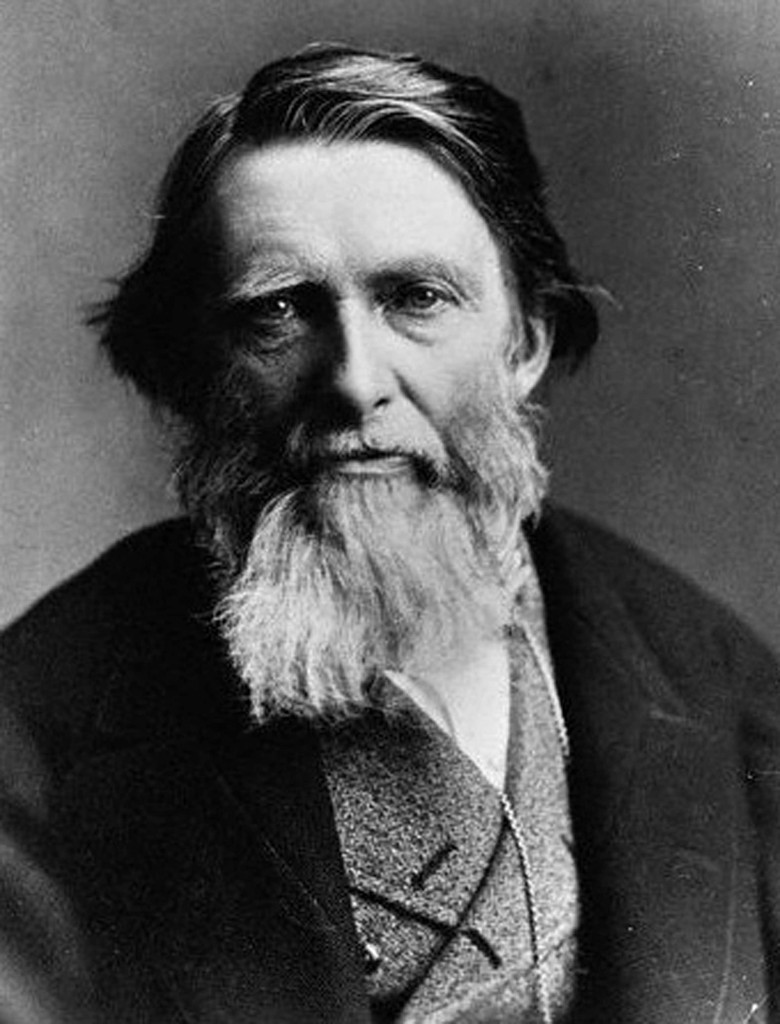
John Ruskin, Founder of the Guild of St George

Mary’s connection with the Guild of St George was revealed on our visit to Sheffield to see her nature diaries which are held in the Ruskin Collection.  Apparently Mary introduced herself to the Guild in the early 1930’s (the first letter from her to the Guild held in the Sheffield archive is dated 1935) keen to support their causes which she identified as being close to her heart.

The Guild of St George was founded  by John Ruskin in the 1870’s as a non-profit making body to “promote the advancement of education and training in the field of rural economy, industrial design and craftsmanship and appreciation of the arts”.  Ruskin appealed for donations of land and property which were held in trust and rented out at affordable rents on long leases in order to implement and support his utopian, social ideals.  In addition to this he established the St George’s Museum in Sheffield (now part of the Millennium Galleries).  He amassed a collection which was intended to be available to the working class to assist “the liberal education of the artisan”, making works of art accessible to the people.

It is clear from reading Mary’s letters to William Batho that she identified strongly with these ideals, but her commitment to this cause was all the more reinforced in the reading of her Will  which reveals that she bequeathed a significant number of properties in Westmill (the village in which she lived for many years and location of the family residence, Coles) to the Guild.  Her generosity was acknowledged in her Guild status of ‘Companion Extraordinaire’.  Mary wrote to the Guild regularly from 1935 till the mid 1940’s and the letters are held in the Sheffield archive, Box GSG21, box 18.  She also donated a number of objects to the Guild “…a little portrait and an Italian casket … a circular revolving table with drawers, all sound…”.  On the 30th November, 1941 she writes “..I have come to the end of my treasures”.

Her last letter to them dated June 20th, 1945 details her great interest in Ruskin’s influence and the various papers and speeches she has enjoyed on the subject.  She was in her 96th year, demonstrating the energy, passion and sharp intellect she maintained throughout her life.  An amazing woman!  Sharon